-
Film screeningLetters from Home
-
Film screeningLetters from Home
-
Film screeningLetters from Home
-
Film screeningLetters from Home
Ibro Hasanović (b. 1981, Ljubovija, former Yugoslavia) is a multidisciplinary artist based in Paris, working across film, video, photography, and installation. He studied product design at the Academy of Fine Arts in Sarajevo before pursuing contemporary art and cinema at Le Fresnoy – Studio National des Arts Contemporains in France. His practice explores the relationship between the political and the poetic, engaging with oral and individual histories, collective memory, and personal archives.
His work has been exhibited at institutions including MAXXI – Museo Nazionale delle Arti del XXI Secolo in Rome, KADIST in Paris, the Kunstverein in Hamburg, Garage Museum of Contemporary Art in Moscow, Kunsthalle Wien, MACRO – Museo d'Arte Contemporanea Roma, Carré d'Art – Musée d'art contemporain de Nîmes, Pera Museum in Istanbul, Casino Luxembourg – Forum d'art contemporain, Moderna Galerija MG+MSUM in Ljubljana, Künstlerhaus – Halle für Kunst & Medien in Graz, Münchner Stadtmuseum in Munich, Villa Romana in Florence, the Washington Project for the Arts in Washington, D.C., the Austrian Cultural Forum in New York, Guangdong Museum of Art in Guangzhou, and Busan Metropolitan Art Museum, among other venues.
Selected screenings of his films and videos include the International Film Festival Gent, the Encounters Short Film & Animation Festival in Bristol, the Hamburg International Short Film Festival, États Généraux du Film Documentaire de Lussas, the Helsinki International Film Festival, DokuFest – International Documentary and Short Film Festival in Prizren, the Tempo Documentary Festival in Stockholm, the Impakt Festival in Utrecht, the Maremetraggio International Short Film Festival in Trieste, and the Sarajevo Film Festival, with institutional presentations at the Centre Georges Pompidou in Paris, the Museum of Contemporary Art in Zagreb, and the Phillips Collection in Washington, D.C.
Contact
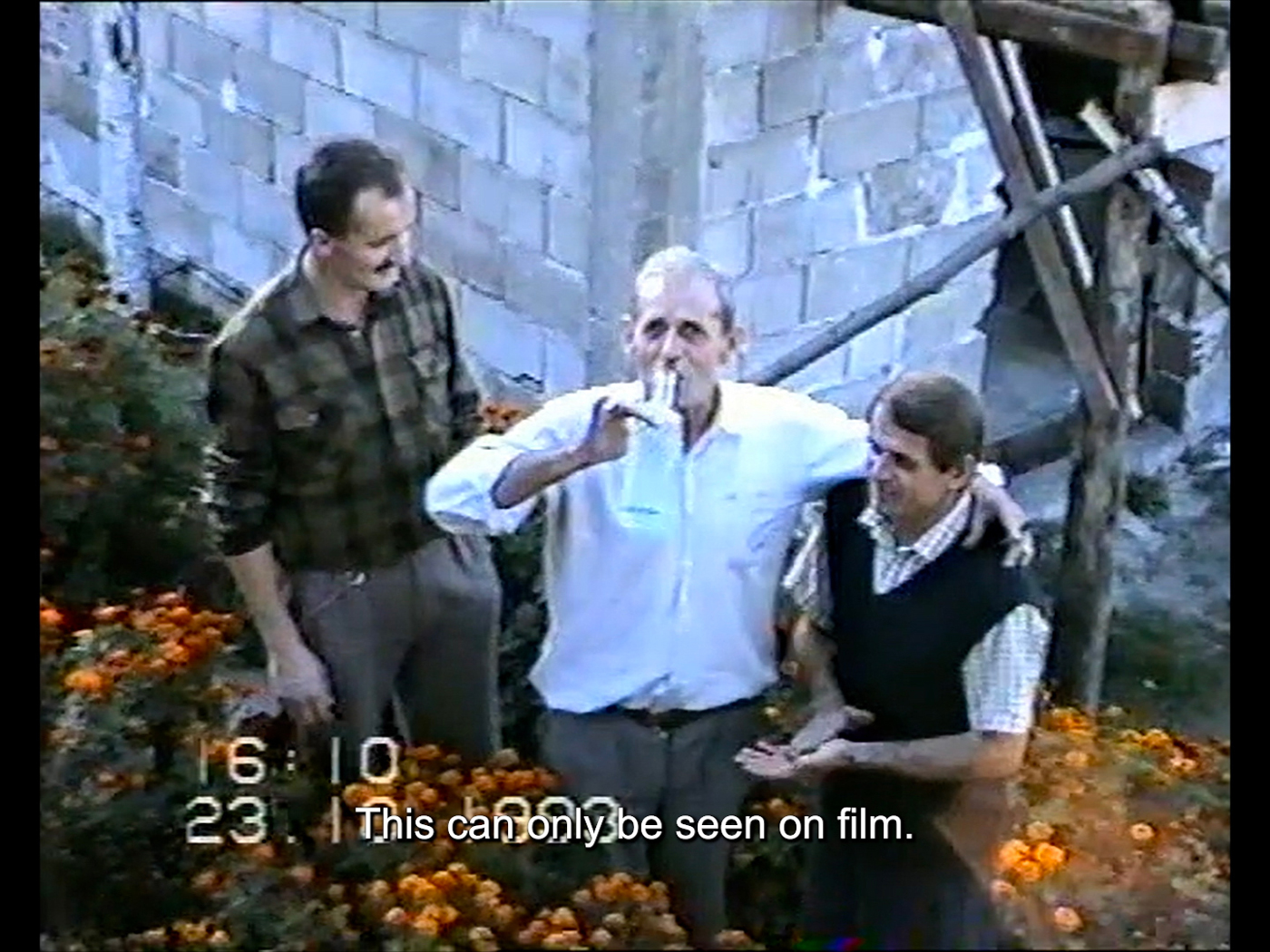
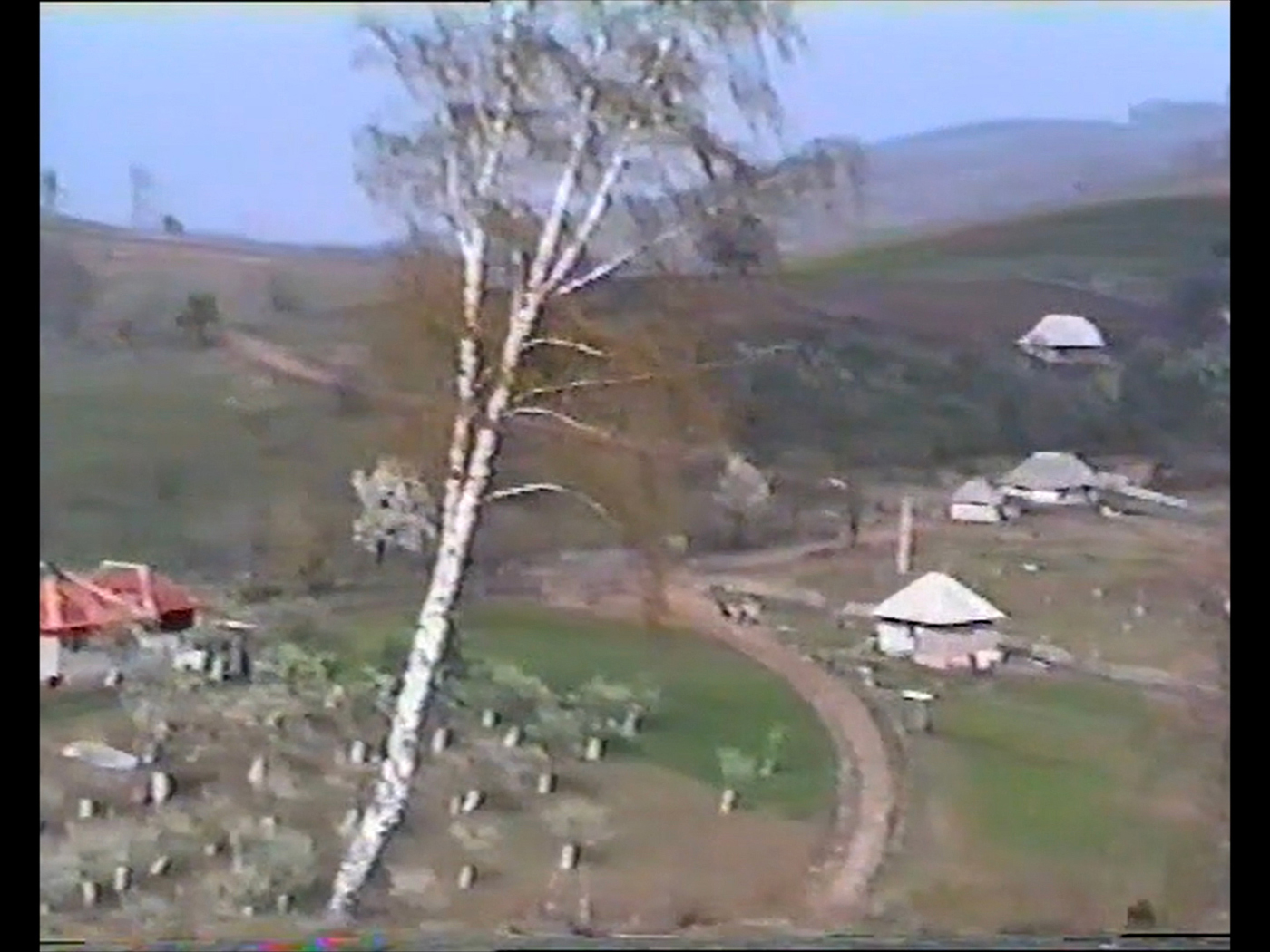
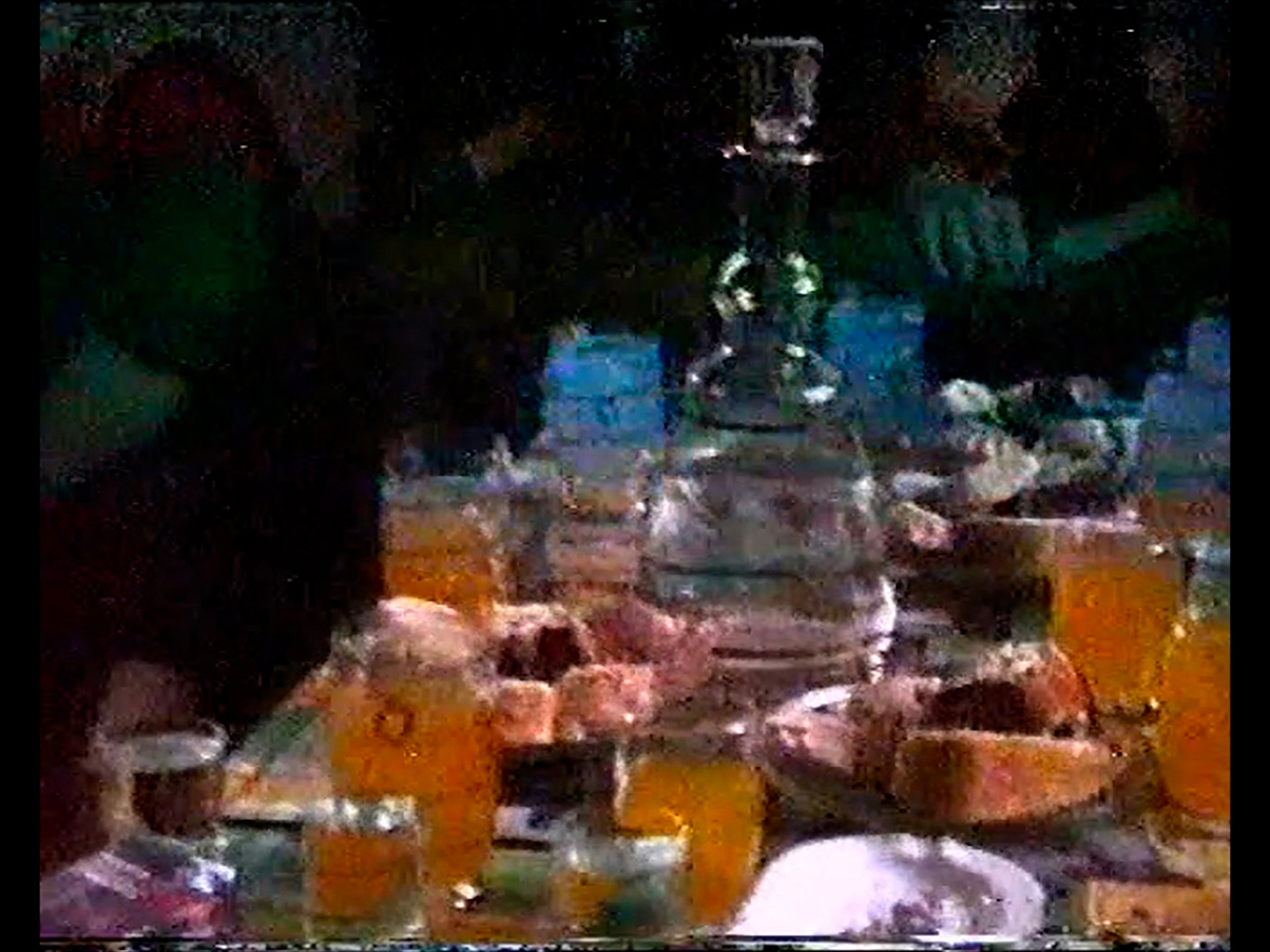
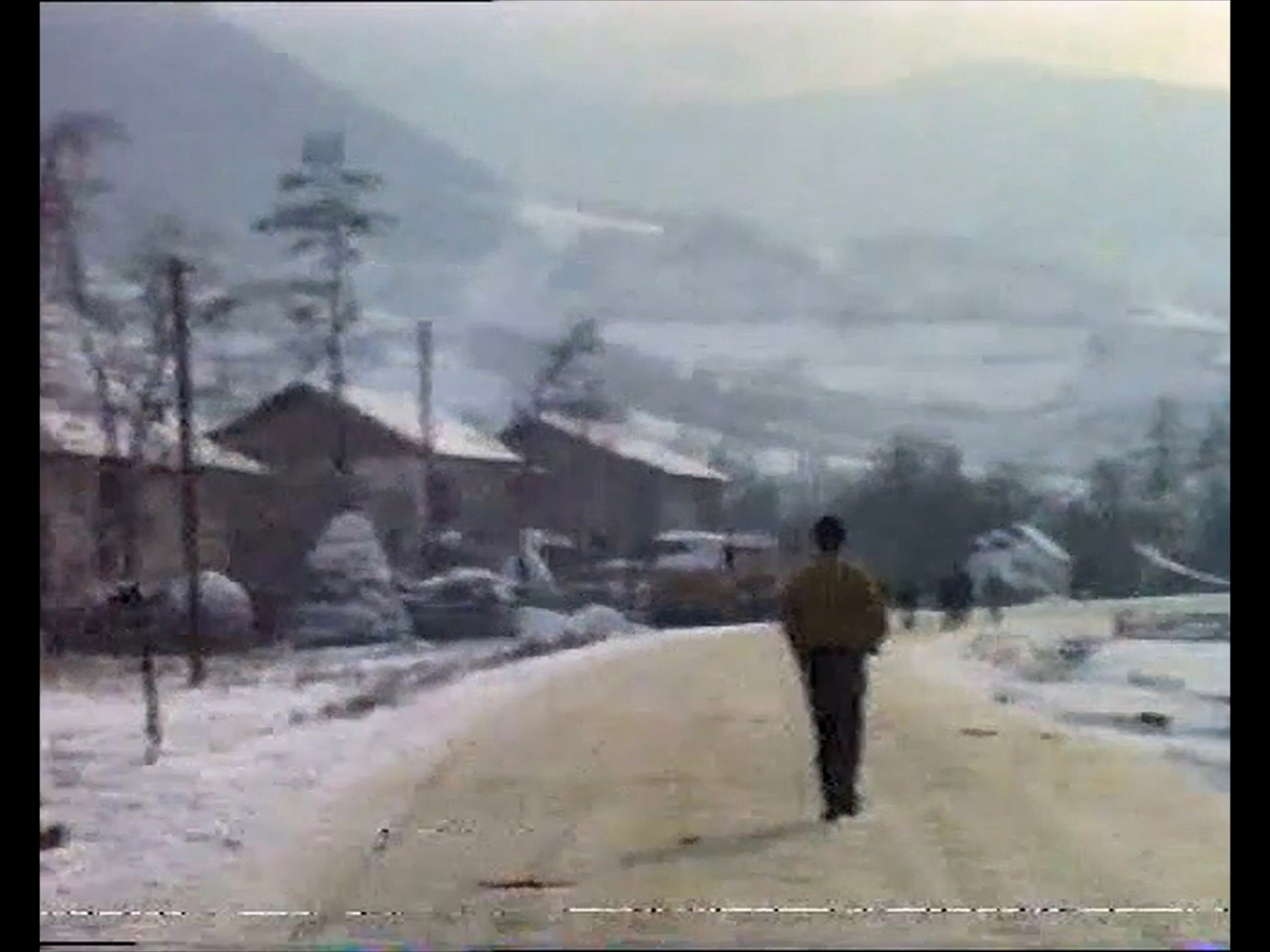
An epistolary film constructed from VHS tapes sent from Srebrenica between 1993 and 1994 by the filmmaker’s father, depicting the mise-en-scène of “normal life” amid the war.
Read more →
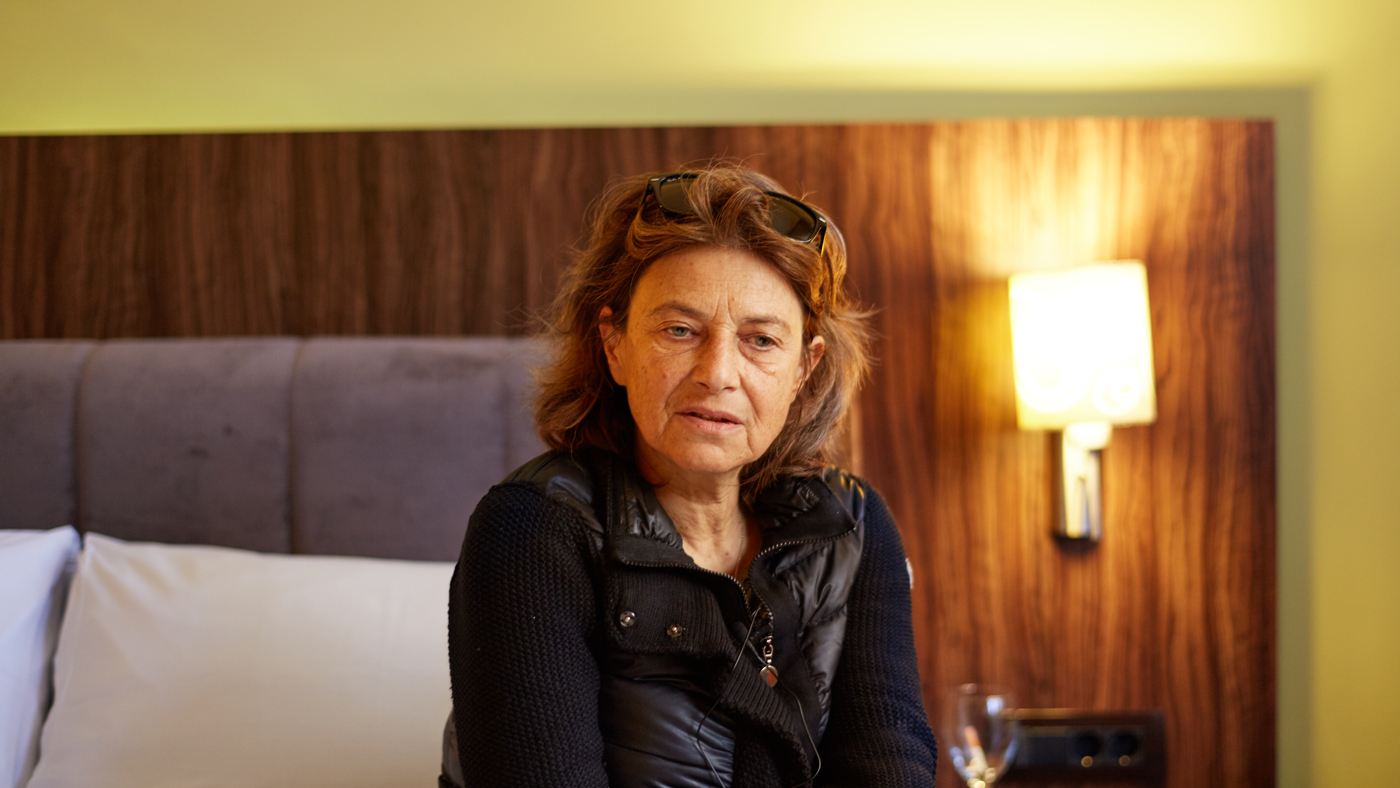
Chantal reflects on her childhood, her work, and what “belonging” means to her.
Read more →
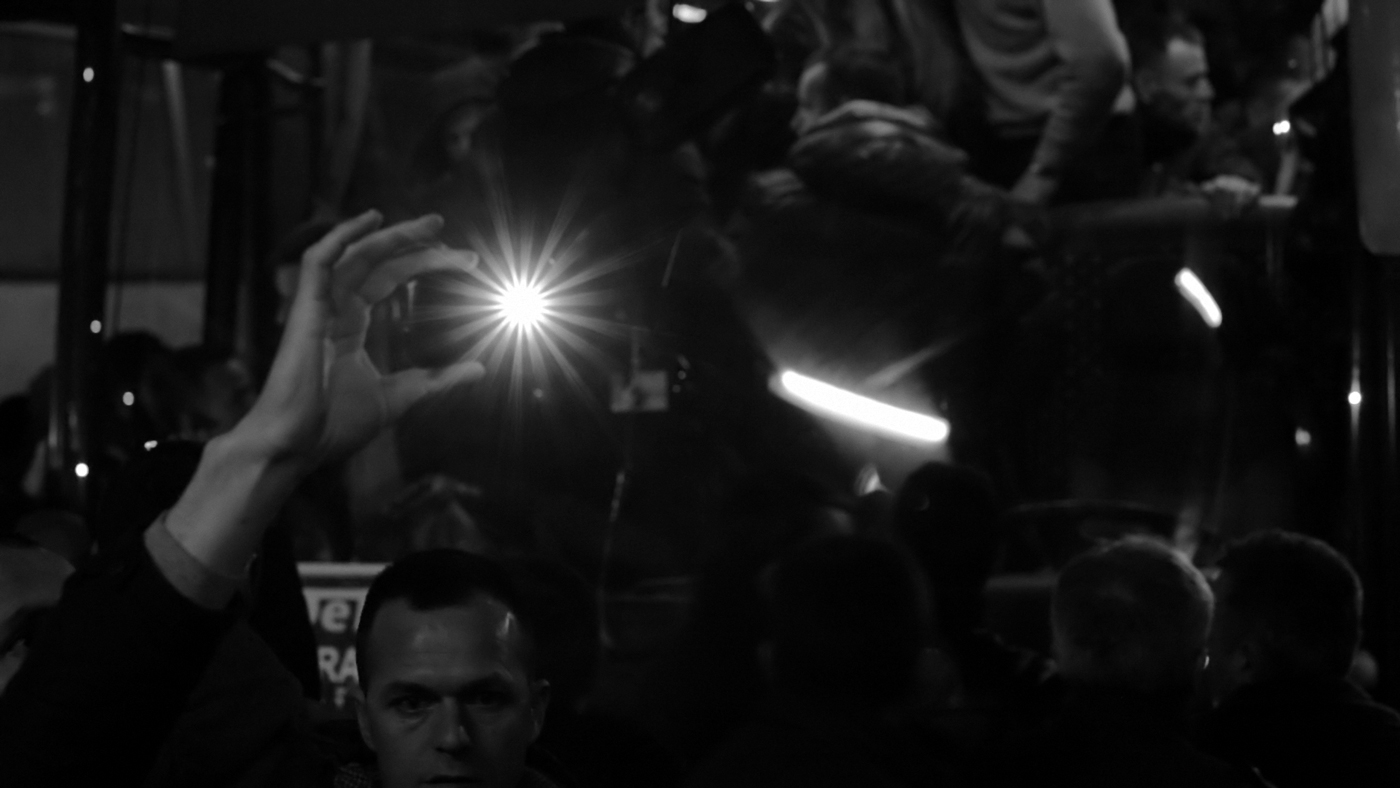
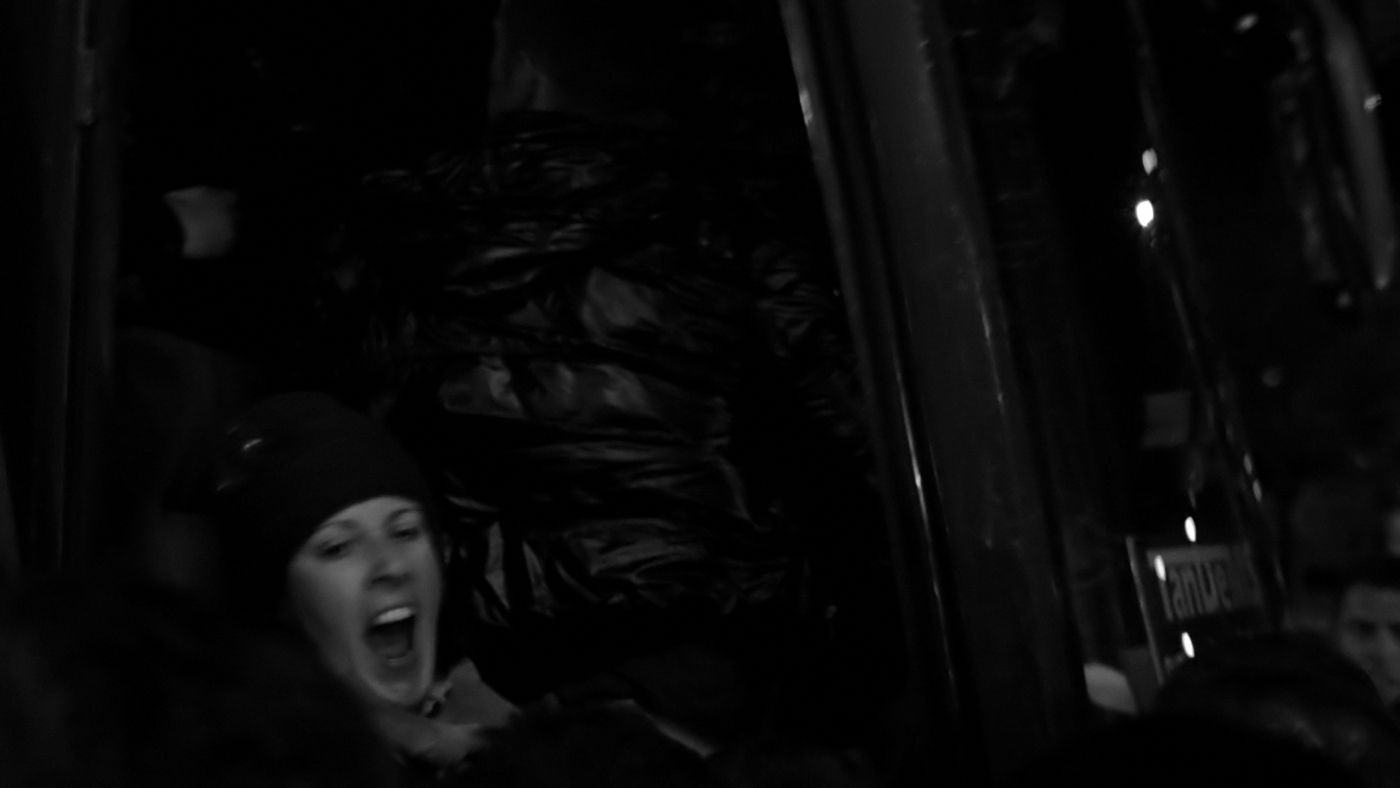
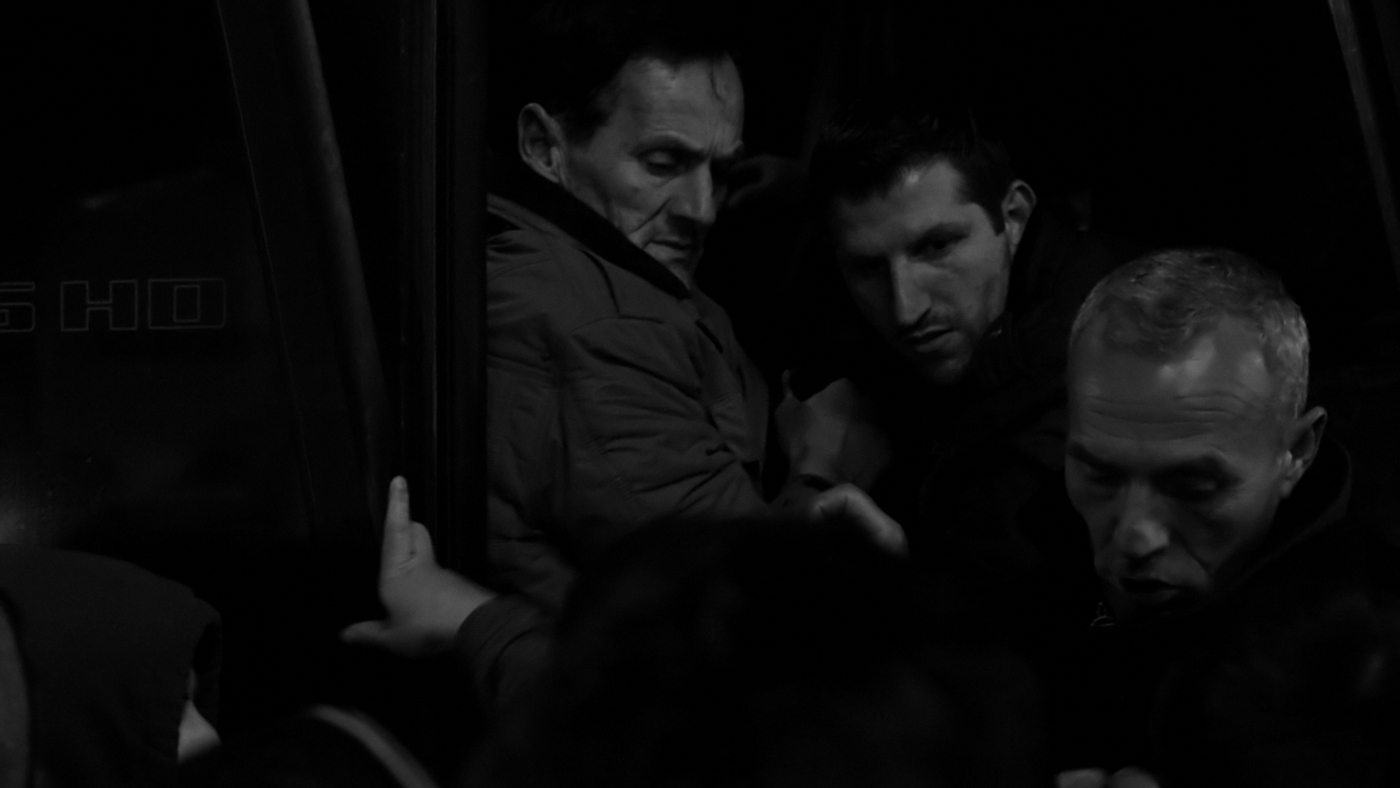
Farewell that goes from the emotional to the violent, ending in exhaustion. Men, women and children kiss goodbye and try to board the buses that will take them into the uncertain future of migrants.
Read more →
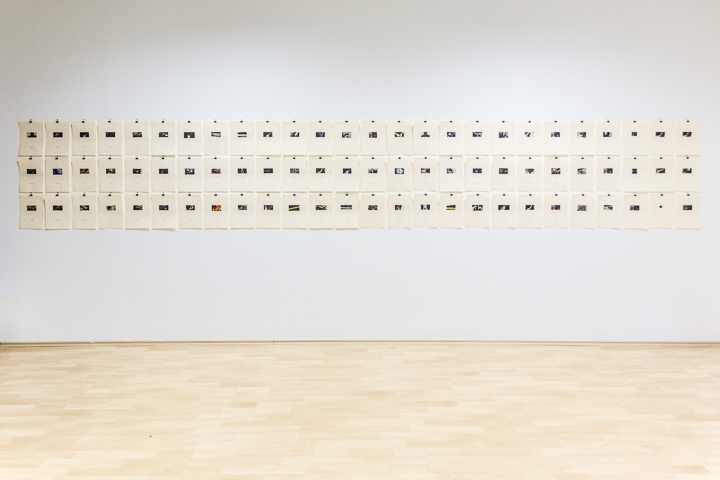
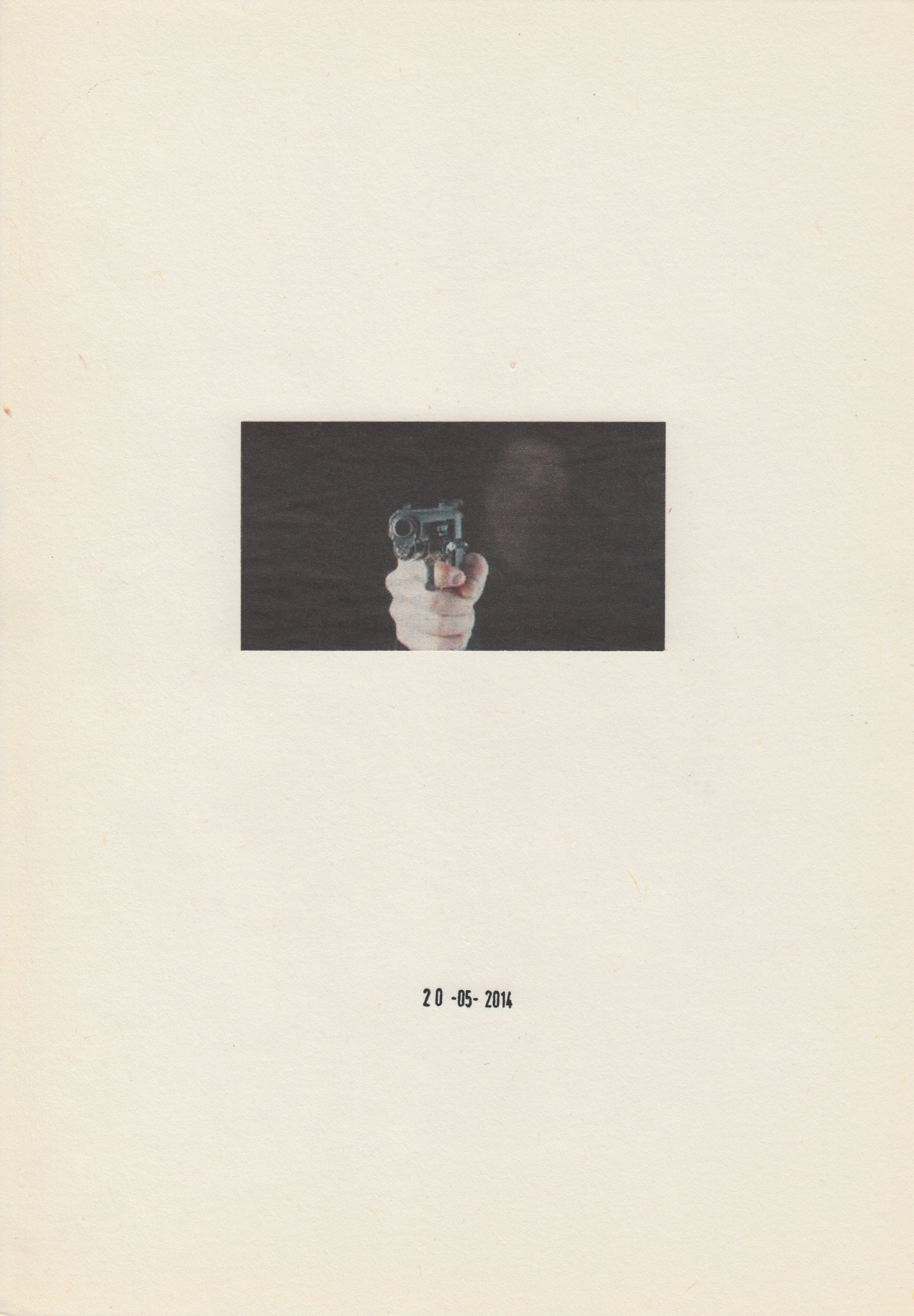
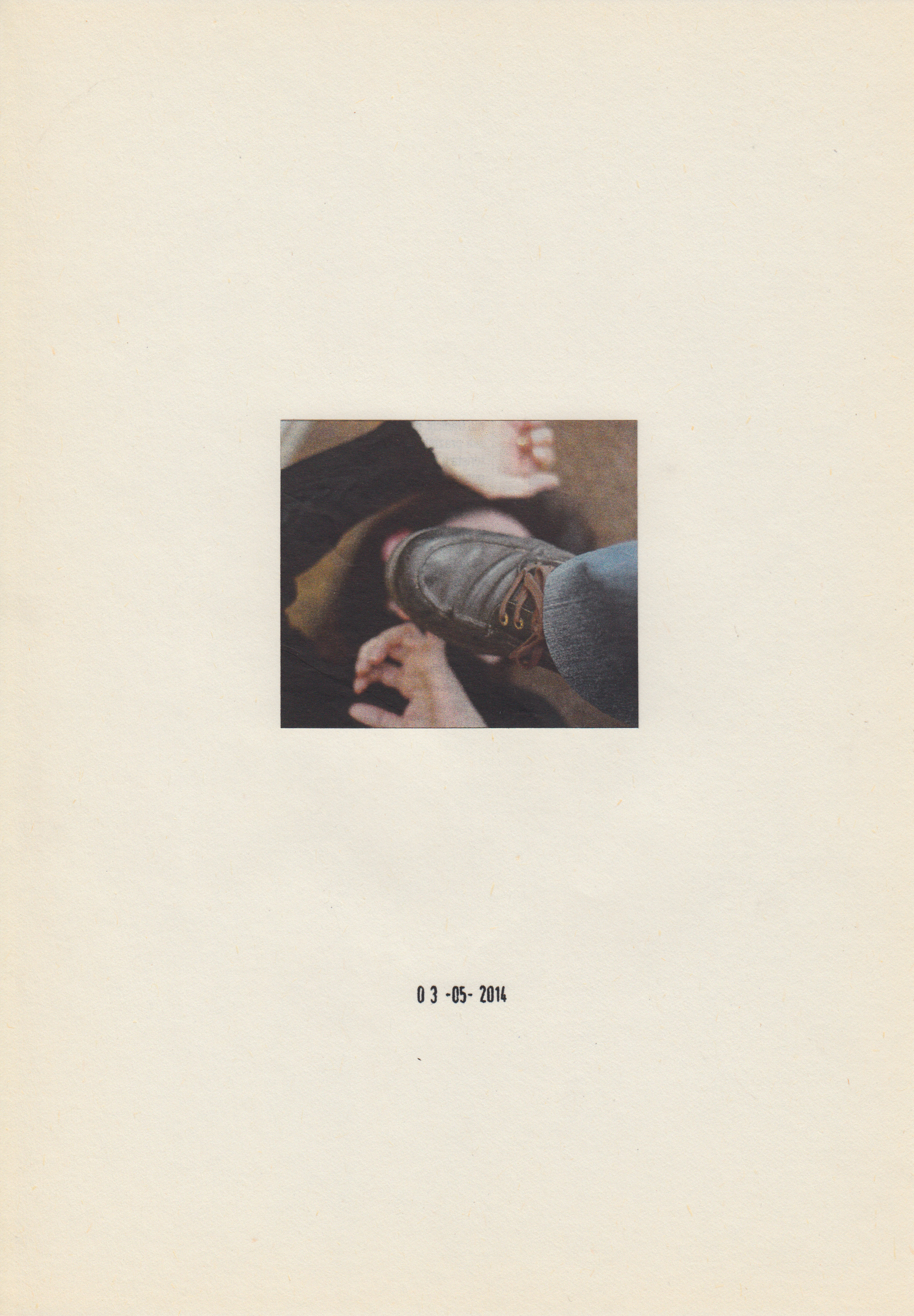
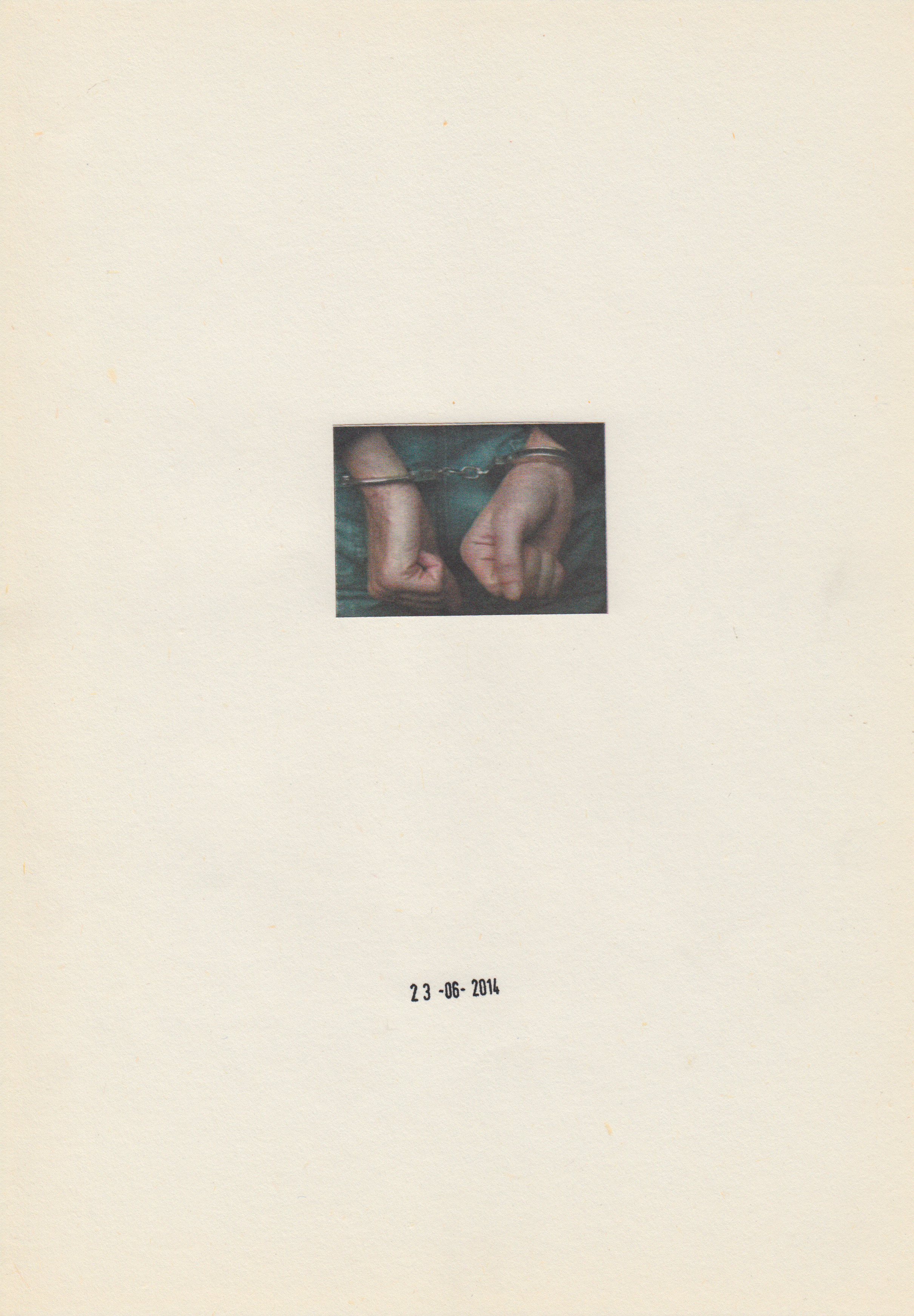
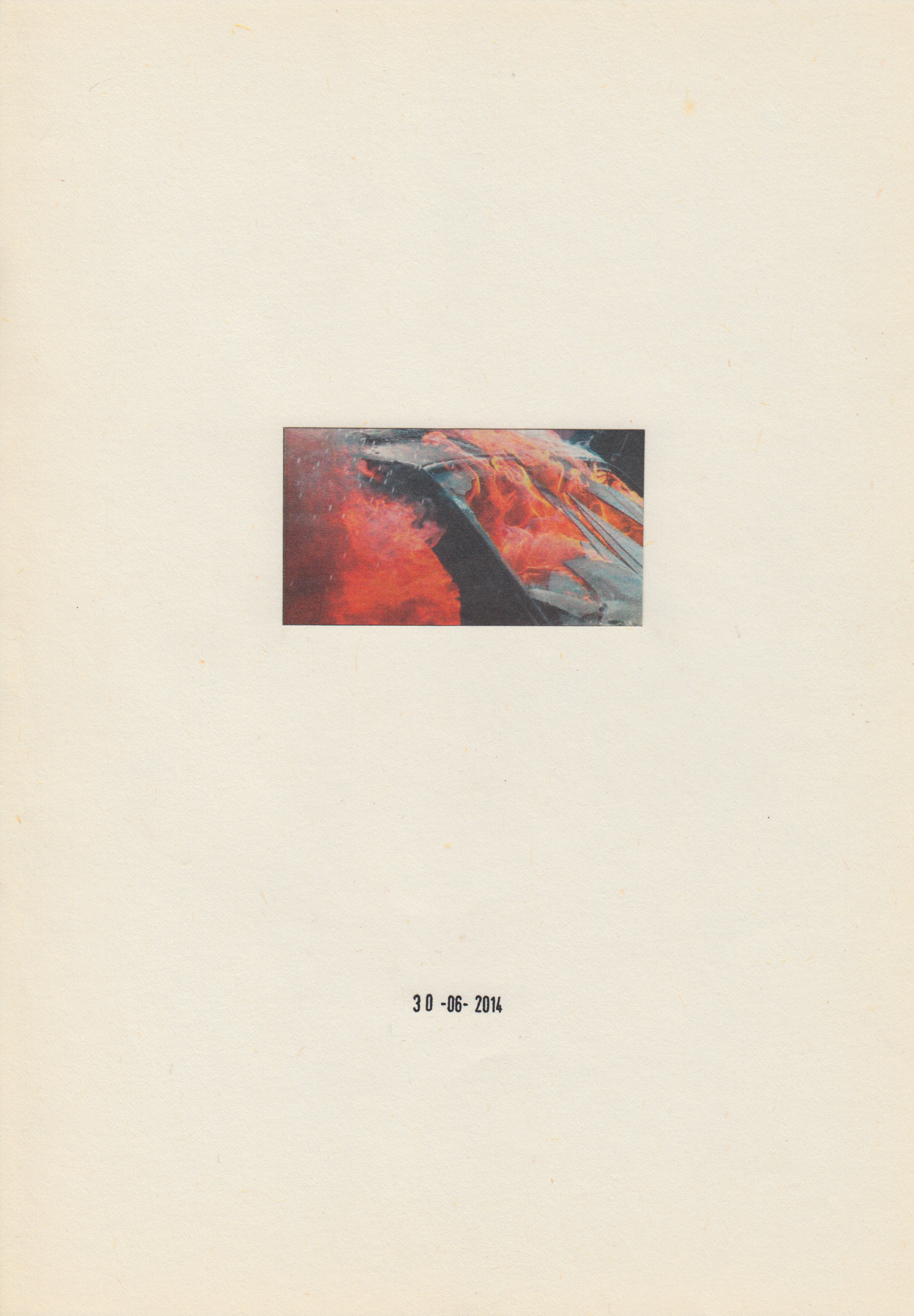
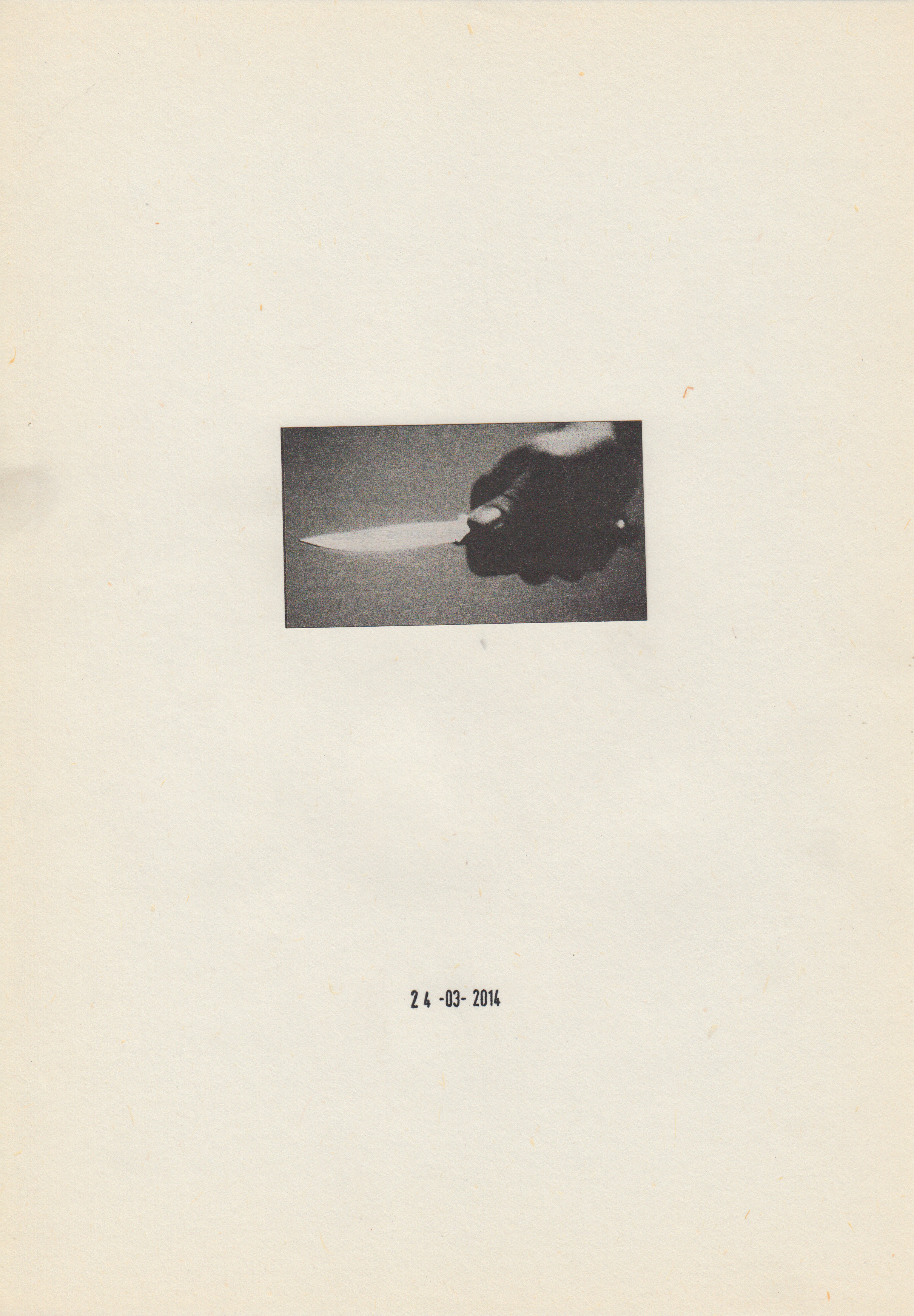
Black Chronicles is an archive based on photographs from the Bosnian daily newspaper Oslobođenje. The photos are taken from the newspaper’s section covering crime stories and share striking similarities both in motif and composition: armed policeman wearing black masks, close-ups of weapons, handcuffed criminal suspects.
Day after day for many years these images have been appearing in the paper. The repetition of similar visual effects and the same dramaturgy regarding the representation of victims, police and criminal suspects creates a kind of psychotic propaganda. When presented in chronological order, i.e. as a slide projection, the images, decontextualised from the event they originally referred to, offer a narrative that confronts us with a scary picture of contemporary society. Yet the flow of images also has something cinematic about. The montage of close-ups of guns pointing towards us and images of anonymous police task forces intuitively creates suspense, because we know these images not only from newspapers, but also from motion pictures made in Hollywood playing with the very same stereotypes.
We see thousands of images on television, in movies, magazines, newspapers, and the internet every day. As cultural productions, they are steeped in the values, ideologies, and taken-for-granted beliefs of the culture that produces and consumes them. The newspaper photos illustrating crimes from Bosnia are likewise embedded in a social and cultural system and function as a repository of the tacit values and desires of society. But they are also produced within a political economy that favors images of a strong executive authority. The motion picture similarity thus underlines what is already staged in the newspaper images themselves: in a society where crime is omnipresent, only a strong police presence can guarantee our safety.
— Vanessa Müller
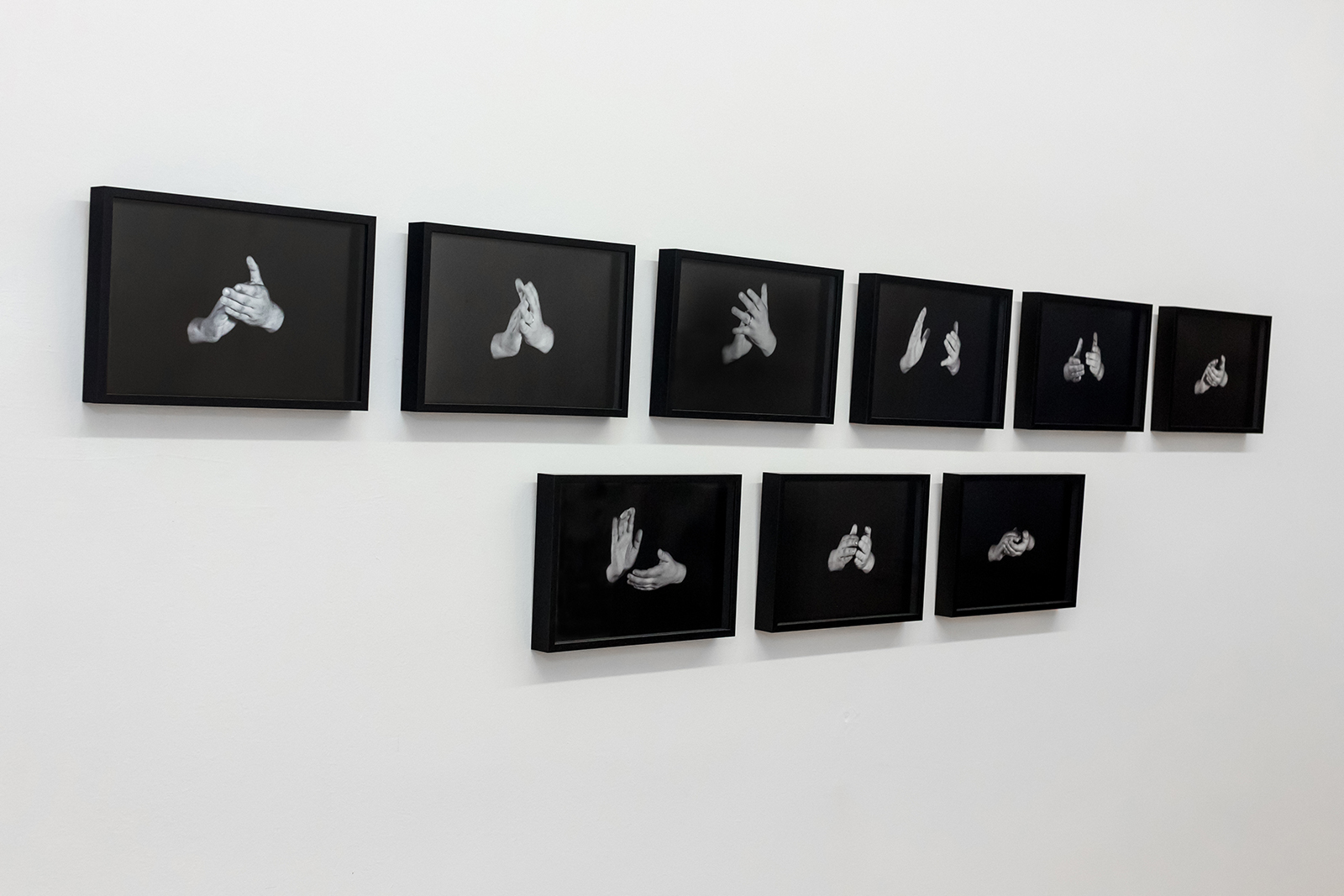
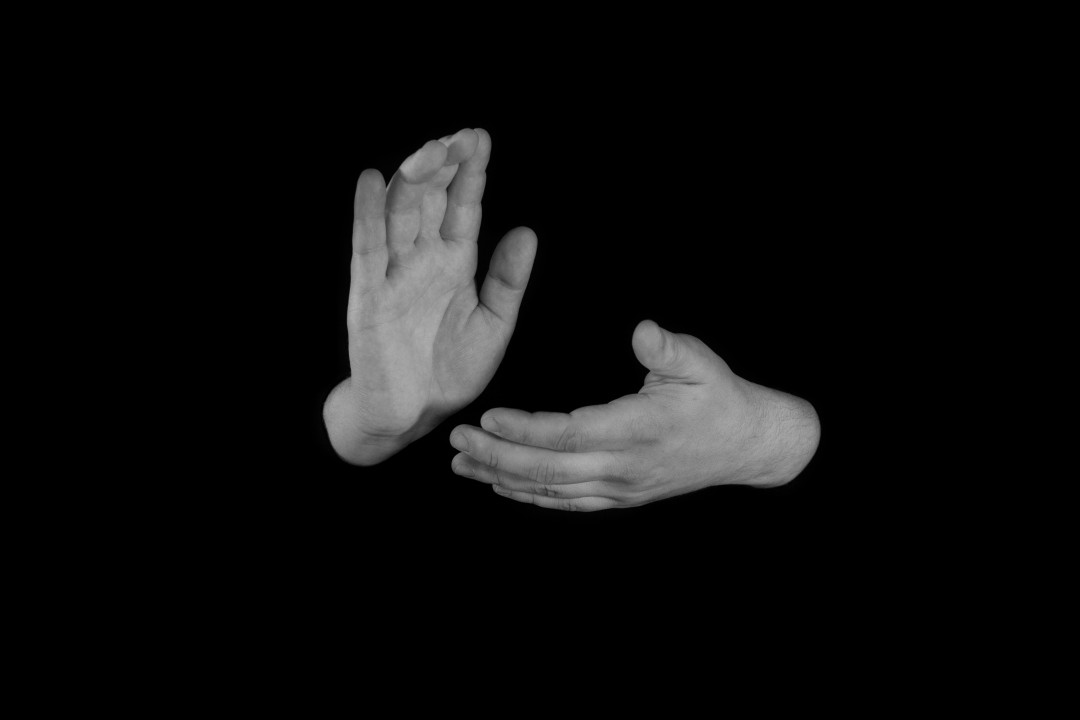
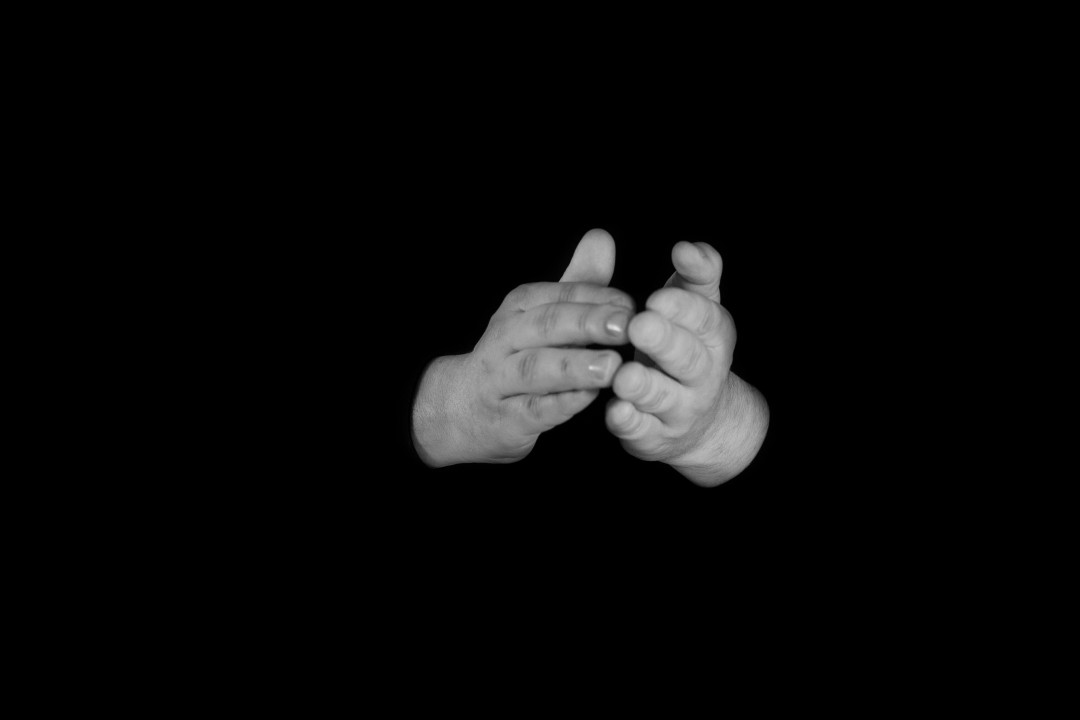
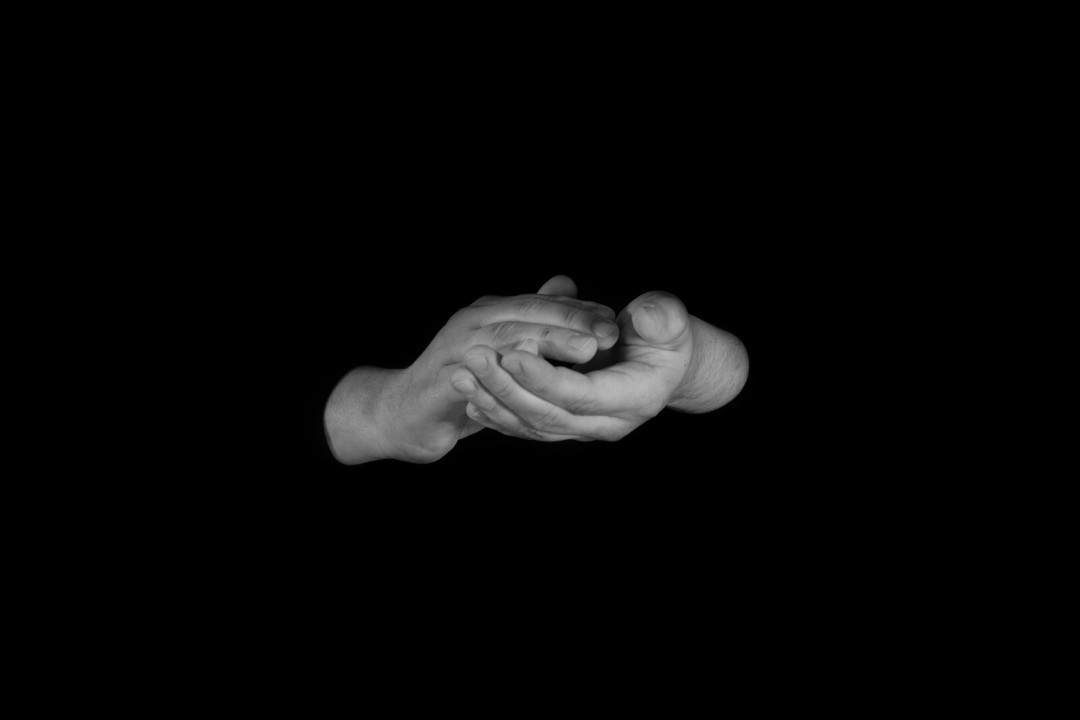
Reenactment of an applause captured in a photograph by Gérard Julien (AFP), taken 14 December 1995 at the Élysée Palace in Paris, showing: Spanish Prime Minister Felipe González, US President Bill Clinton, French President Jacques Chirac, German Chancellor Helmut Kohl, British Prime Minister John Major and Russian Premier Viktor Chernomyrdin, Serbian President Slobodan Milošević, Croatian President Franjo Tuđman and Bosnian President Alija Izetbegović applauding after the signing of the peace agreement on Bosnia. The accord was reached in Dayton, USA, 21 November, ending over four years of war in former Yugoslavia.
Read more →
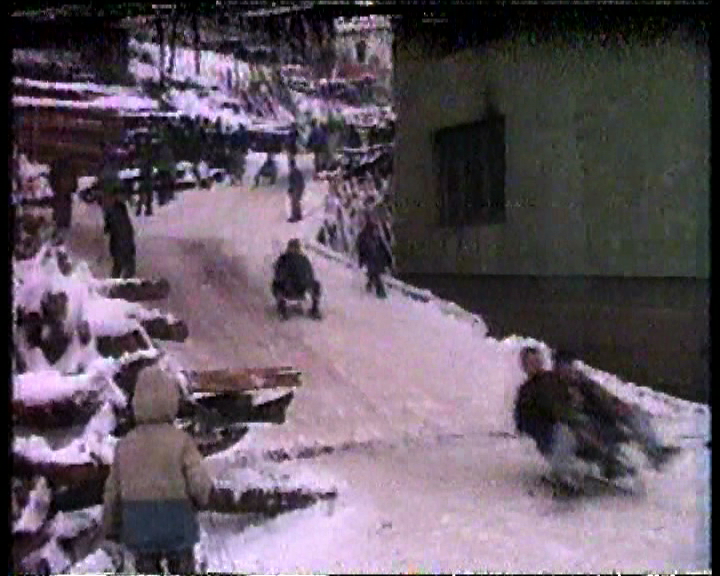
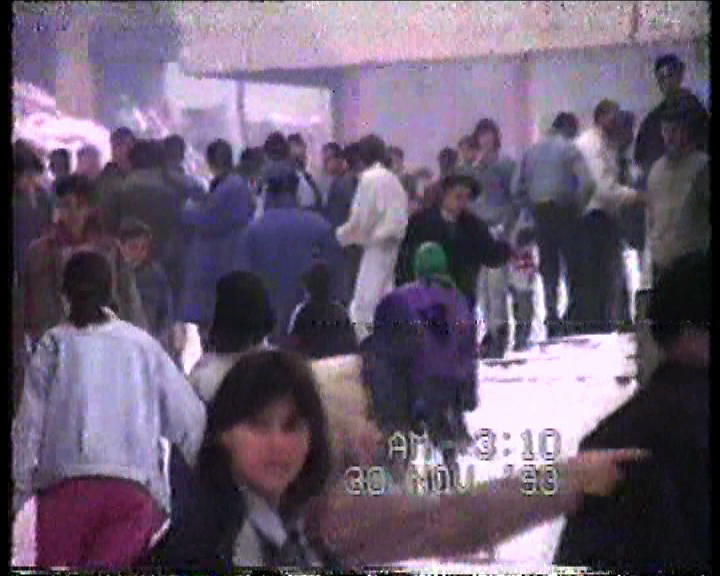
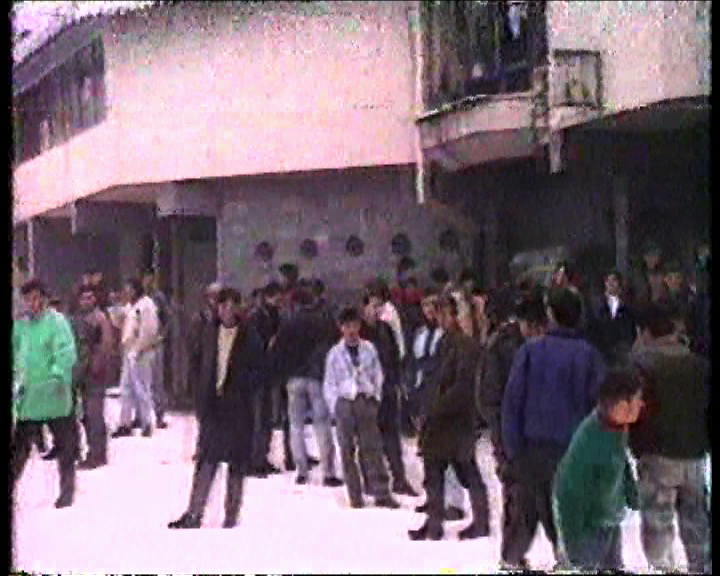
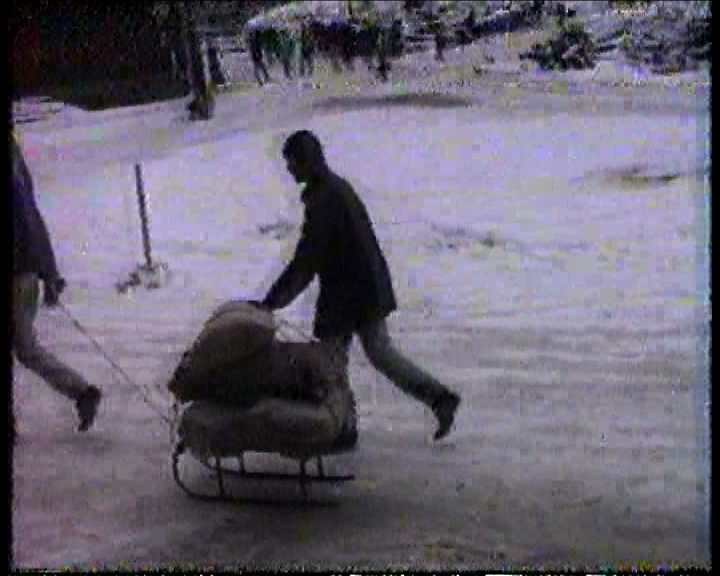
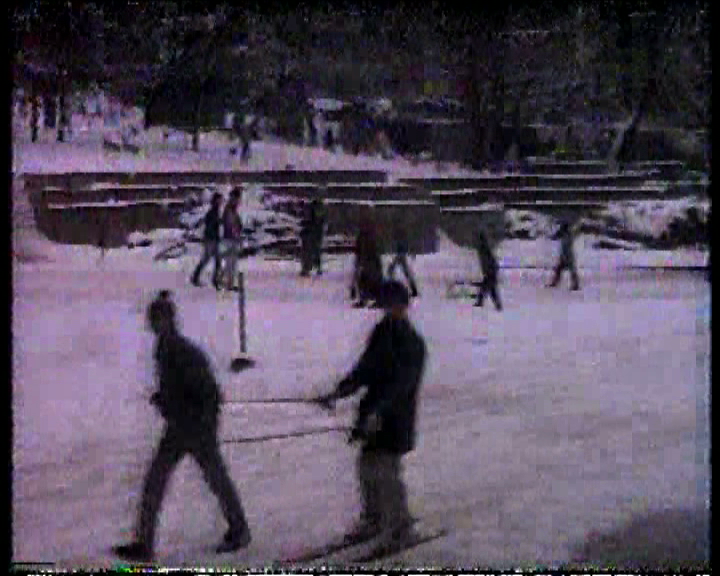
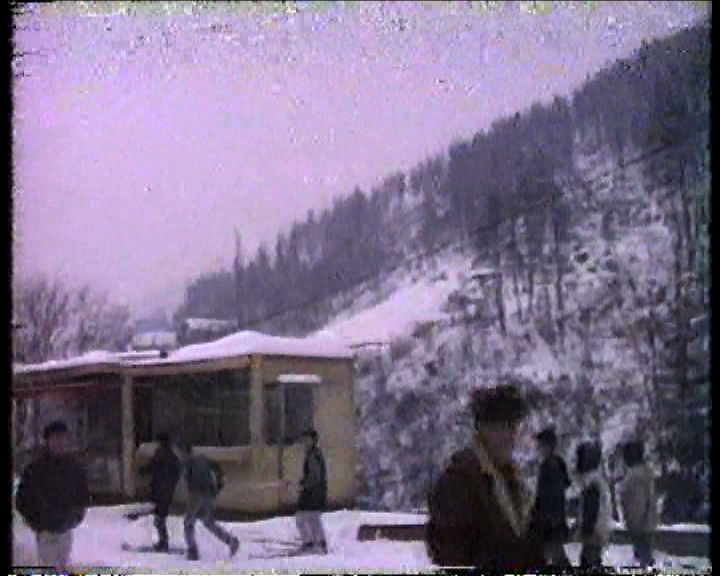
A video made from the "VHS letter" that my father sent me during the war in Bosnia.
Read more →
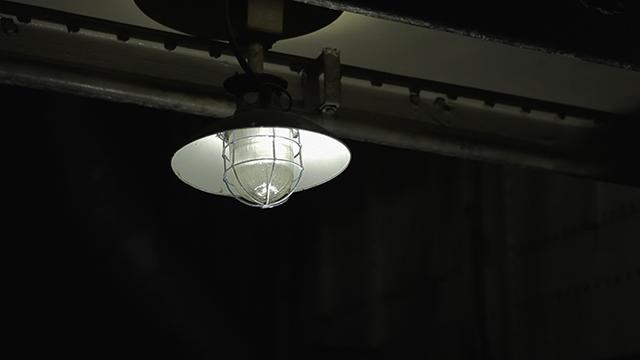
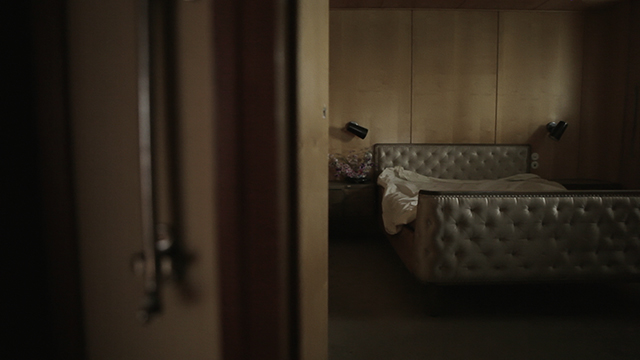


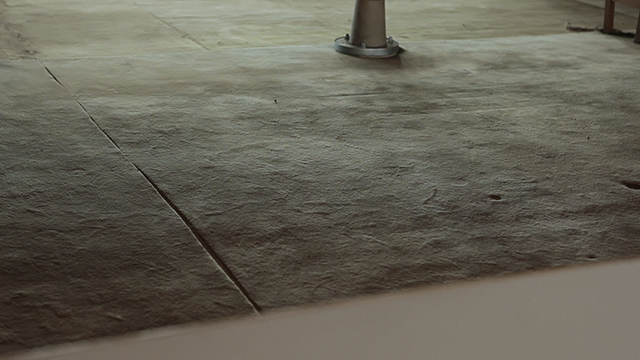

Spectre is a meditation on decay and death; on the ways memory haunts and affects the present. The film was shot on the Yugoslav Navy Yacht Galeb, which Josip Broz Tito used for parties, foreign visits and diplomacy. Once a glamorous symbol of Yugoslav history, the yacht now sits abandoned in a shipyard.
Read more →
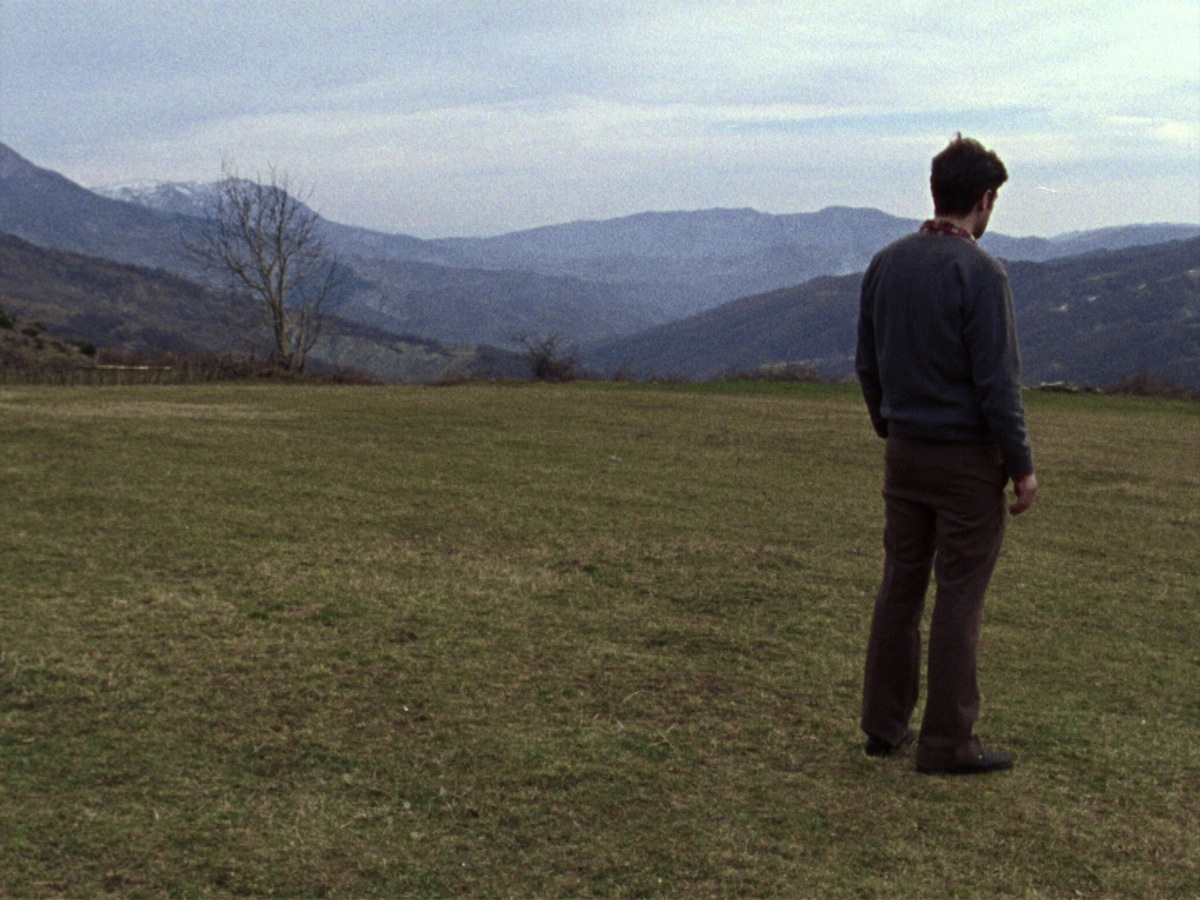
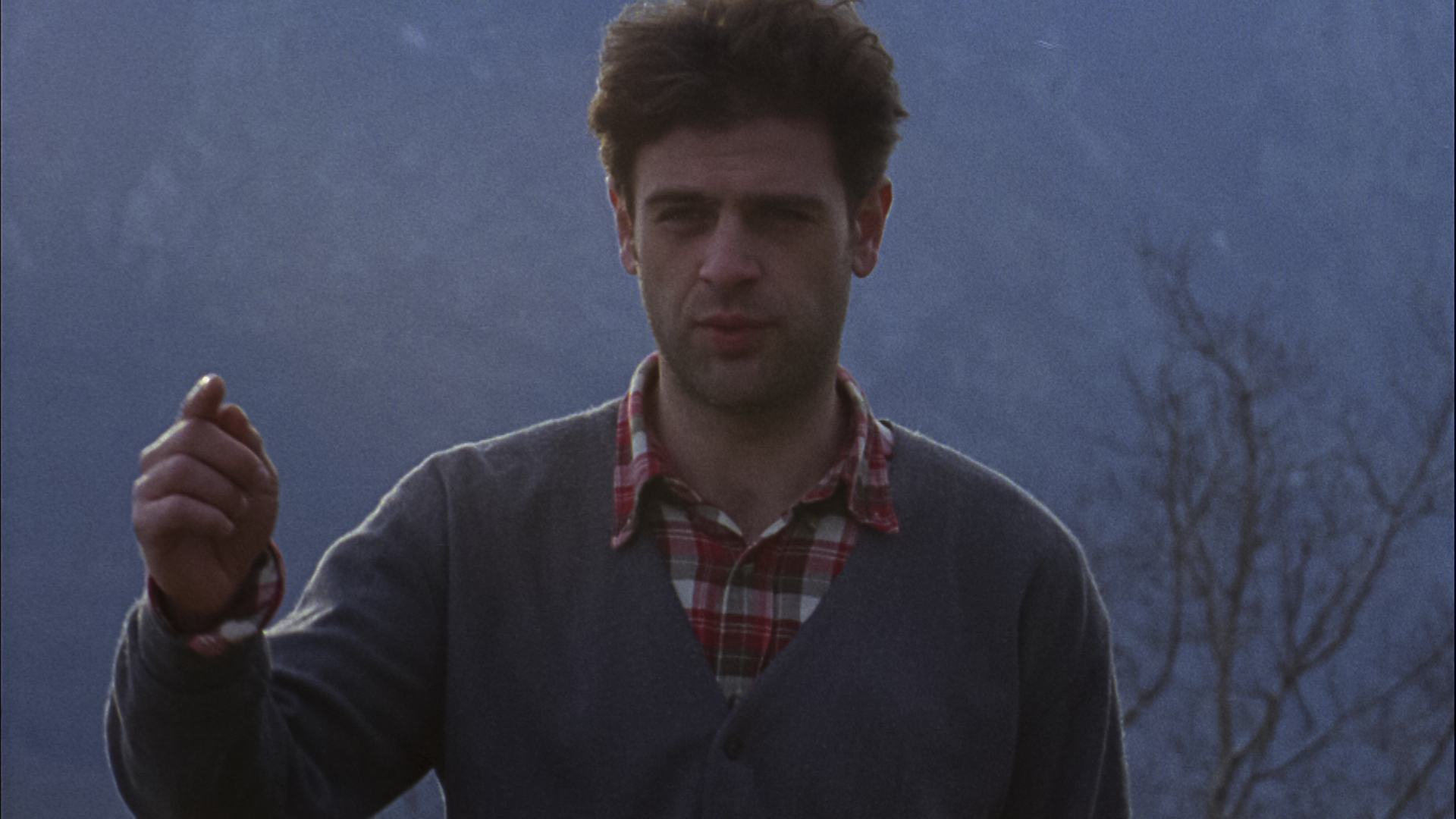
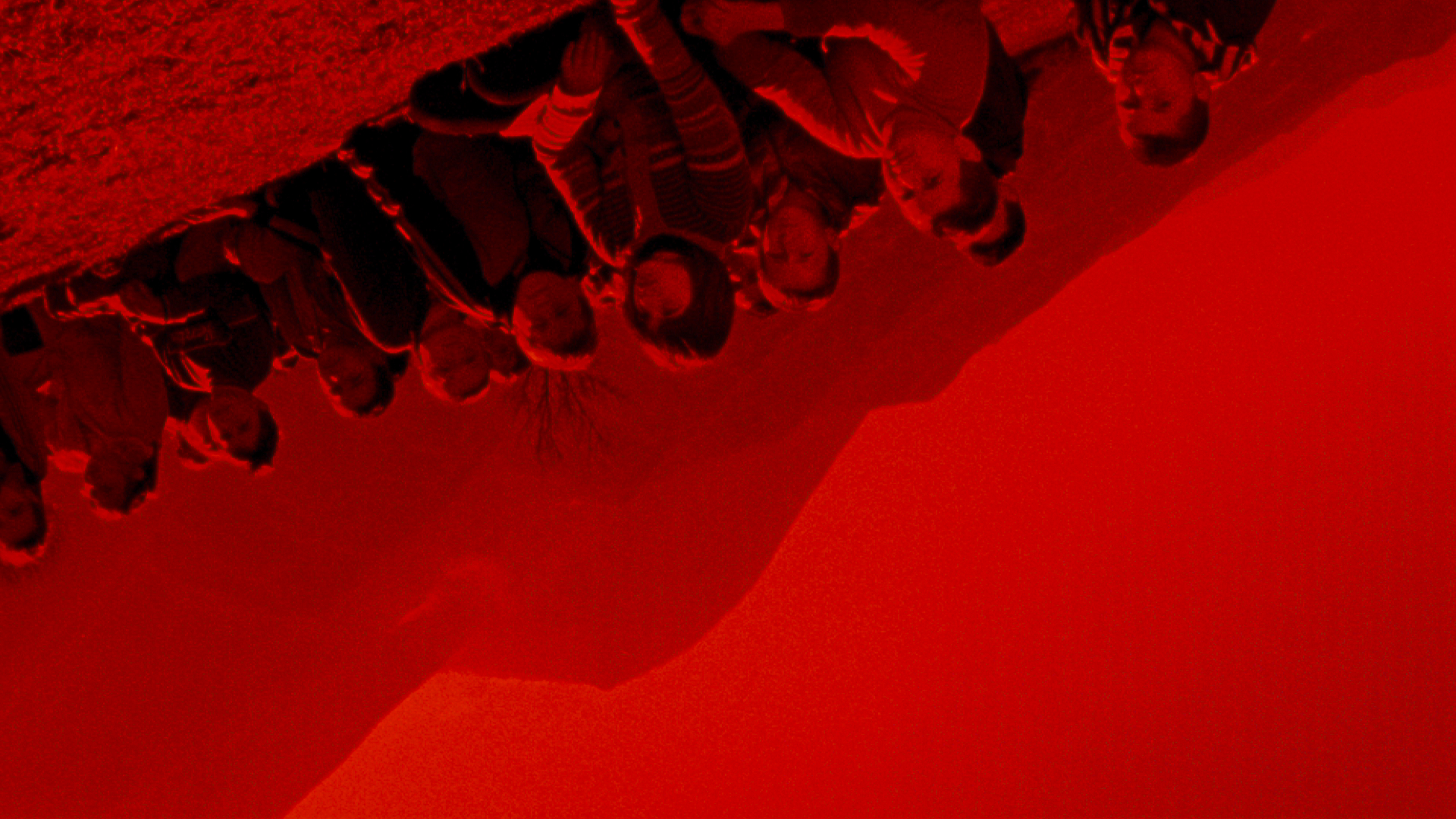
An enigmatic character tells a story — a prophecy originating from Eastern Bosnia — that has been transmitted by word of mouth for over half a century. This mysterious story starts at the beginning of the Second World War and evokes historical events that have happened since and are yet to come.
Read more →
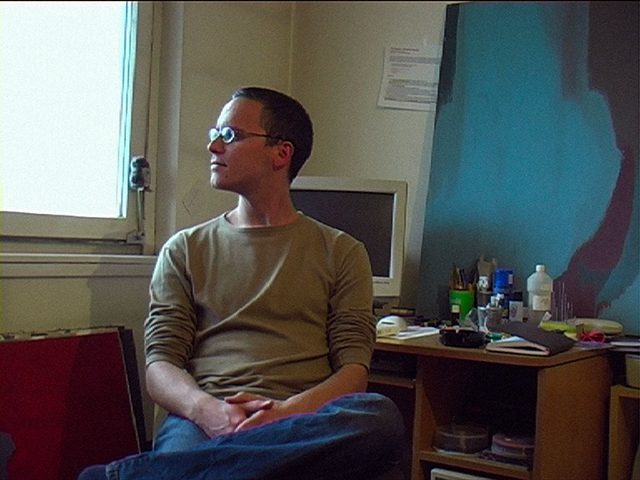
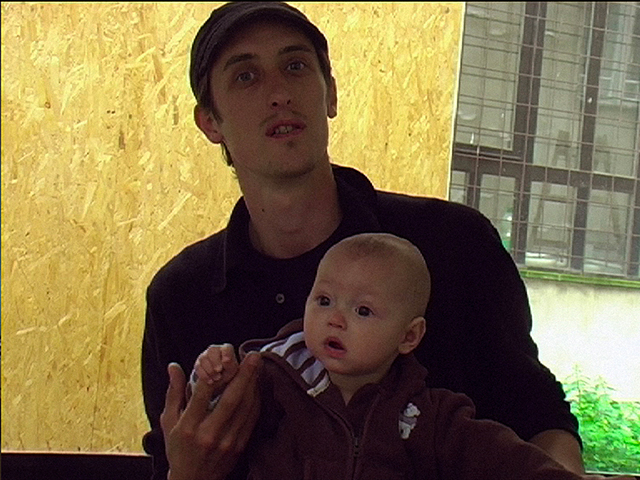
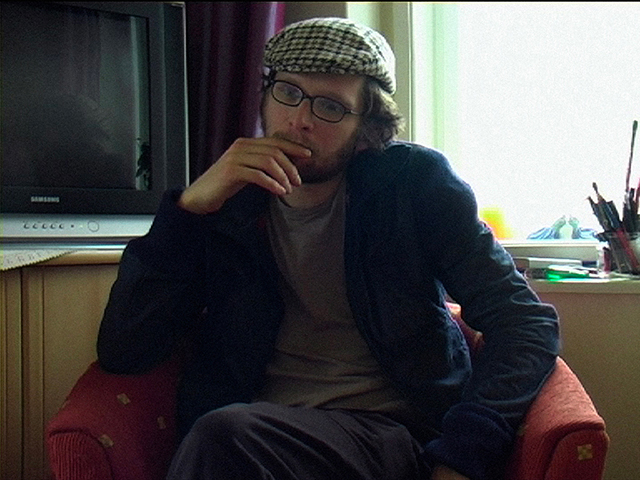
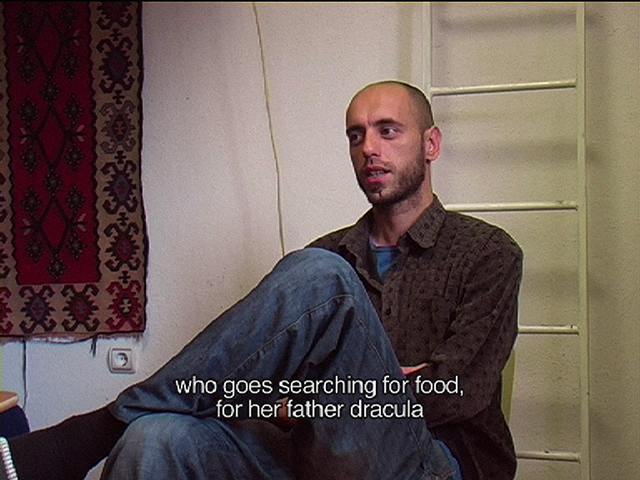
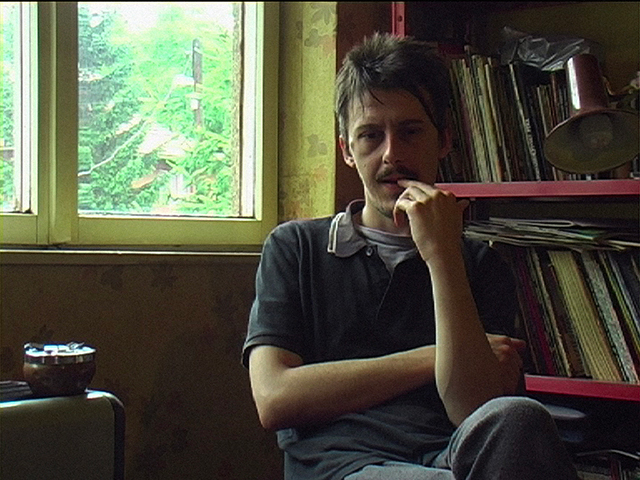
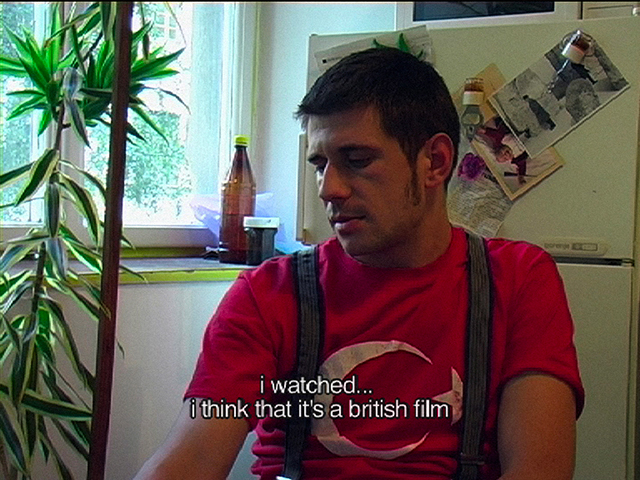
Tell me about a film you’ve seen but whose title you can’t remember. Describe a scene, character, or moment from it in as much detail as you can.
Read more →
- 2026 Letters from Home →
- 2022 Note on multitude →
- 2020 ON BELONGING – with Chantal Akerman from right to left →
- 2017 Ibro Hasanović – Vladimir Miladinović →
- 2015 A political scene →
- 2014 Study For The Applause →
- 2013 30. Nov '93 – Pieter Bruegel in the letters of my father →
- 2013 Impossible Encounters →
- 2013 Intimate letters witness to collective madness →
- 2011 A Short Story →
- 2010 Attempt of reading →
My father's first tape arrived in a package with no return address. My mother slid it into the VCR, and our besieged town materialized on screen — familiar streets, the faces of people we loved. He had found a way to speak across an unbridgeable distance, smuggling cassettes out with the help of Dutch UN soldiers stationed in Srebrenica. I did not know it then, but these tapes were already a kind of cinema: fragile, handmade, addressed entirely to us.
The letter, as Naficy writes, does not simply link people: it also reminds them of their separation, "fetishistically, both disavowing and acknowledging the trauma of displacement."1 Each cassette arrived as both a gift and a wound. We were safe in Ljubljana; he was still inside a town declared an enclave. And yet — through the grain of familiar light, the texture of known voices, the sight of a table set as though nothing had changed — my father managed to create an illusion of closeness. He understood this instinctively, before he understood anything about film.
What he sent was not testimony. It was performance. Neighbors approached the camera to greet us, tables were set, glasses raised — all of it filmed against destroyed houses, by people with tired faces barely holding a smile. The forced cheerfulness was the message. He was constructing a voice shaped entirely by its recipient: a documentary that was also, in every deliberate frame, a fiction. Kafka observed that writing a letter is "an intercourse with ghosts" — not only the ghost of the addressee, but of one's own self, "secretly evolving within the letter which one is writing."2 My father was writing himself into survival, for us. The camera became the instrument of that — pointed not at suffering, but away from it, toward us.
This blurring of documentary and fiction is, I now understand, precisely what makes these tapes cinematic. What you show, and how you show it, is inseparable from whom you show it to — every frame calibrated to the recipient, every smile constructed to protect. Munro writes that the epistolary film allows the filmmaker to perform their subjectivity as something always in flux, dependent on who it comes into contact with.3 My father was not a filmmaker, but he lived that logic. The performance of normalcy was not deception — it was solidarity.
For years I left them to gather dust. I wasn't ready. When I finally returned, I understood them differently. Altman describes the letter as a "self-contained artistic unity" within a larger correspondence:4 each cassette was a fragment, coherent alone, devastating in series. Together they formed an archive of performed normalcy — a record not of the siege, but of the will to resist it, frame by frame.
Munro, writing about her own archival practice, describes this kind of return as an essayistic method: "new approaches and works can be made by re-editing and re-contextualizing material in order to create a more reflective approach to both material and its purpose."5 That is what I am doing now. I am re-entering footage and asking what it contains beyond family memory — beyond historical document. What I find is a theory of care expressed through cinema. A community that found the energy, under impossible circumstances, to stage their daily lives for someone else's peace of mind.
This film begins there. Not with the war, not with the massacre,6 but with the extraordinary determination it takes to perform ordinary life for someone you love. Montaigne, writing after the loss of his closest friend, came to understand that to write to an absent other is also to write oneself into existence — to refuse erasure through address. My father's tapes are that refusal.7
1 Naficy, H. (2001). An Accented Cinema: Exilic and Diasporic Filmmaking. Princeton University Press.
2 Kafka, F. (2013). Letters to Milena. Schocken.
3 Munro, K. (2017). "The essay film as address: The epistle as relational act." New Cinemas, 15(1), 81–95.
4 Altman, J.G. (1982). Epistolarity: Approaches to a Form. Ohio State University Press.
5 See Munro.
6 The Srebrenica massacre refers to the killing of more than 8,000 Bosniak (Bosnian Muslim) men and boys, carried out in July 1995 by Bosnian Serb forces. In addition to the killings, an estimated 25,000–30,000 civilians were expelled from the area—a process known as ethnic cleansing. Judgments by the International Criminal Tribunal for the former Yugoslavia and the International Court of Justice have established this crime as genocide.
7 Montaigne, M. de, & Frame, D.M. (1957). The Complete Works of Montaigne. Stanford University Press.
The opening is a line. A line is a connector (from A to B) as well as a divider ('here' and 'there', 'up' and 'down', 'inside and out'.) A line is the axis of order, a lesson in how to make sense. A line of people, however, is a collective statement on the need for order. In this case, the opening is a line of humans seeking to reinvent themselves.
Note on Multitude observes a multiplicity of queues – at first, from afar, and then, up close – aggressively bridging the distance with rapid cuts where 'here' and 'there' switch up their positions. In less than eight minutes, Ibro Hasanović (director, cinematographer, editor) has encapsulated an ever-unfolding web of stories, their nuclei forever embedded in these black-and-white nocturnal shots. A harsh but beckoning pull becomes the connecting tissue between sequences as bodies make room for faces in conversation with other faces. The camera's lens does not choose who is sharply defined and who remains blurred – the focus switches way too fast, in an attempt to outrun time, to stretch it out a millisecond more, to stamp that face as it was then and there. There is something of the idea, expressed by André Bazin, that cinema is "change mummified,"1 almost like a special veil of imprints, recorded and transported onto our screens.
At all times, we hear a lot, all at once. Whether the noise is discernible, or not, is out of the question, since all the sound in Note on Multitude is talk over talk over talk, layered, with different volumes – a polyphony of voices brought together by the field recording, interspersed with the sound moving bodies make in the cold: a zip being pulled up, the light squeal when two puffer jackets brush… The hugs are no less audible, one happening after the other, stringing a never-ending sequence. Are they buying pre-departure time, or has the journey already begun, even before the goodbyes?
When do we leave our home: is it when we board the bus that will (hopefully, but not certainly) take us abroad, or when we find ourselves on the other side of the door of our house? Maybe we had already left as soon as we bought the ticket, or when we first told another of our intent? Or maybe it all starts with that one thought, that "what if…"? All these micro-events can be retraced in a simple goodbye, exchanged, and multiplied at the bus station those images are shot at.
With a seeking gaze, the camera latches onto people's faces as they slide in and out of embraces, in and out of the frame. The distance – unstable and often traversed in a quick cut from long shot to close up – is what makes me question all boundaries: of space and time, of emotion and composure, and of the film itself. Where does a film frame begin and end? What is it about its way of slicing up reality to fit an animated rectangle, that makes it look so delicately imbued with love, instead of being violently torn off? The camera is not an eye, but it provides a way of seeing, however prosthetic it may seem. What it records helps us see more clearly, in spite of (or maybe because of) the distance and the technological mediation implied. For Note on Multitude, this is the only valid way of seeing, the one instance when the verb 'to capture' unshackles, instead of denoting captivity.
Every farewell owes its ambivalence to that pang of departure pain, amplified by the pain of being left behind – and so do the long goodbyes in Hasanović's short. Amongst the ones who are supposed to leave, there are also many who won't be able to do so. On the one hand, we have multitudes, and on the other – not enough buses.
Do you remember where you were on March 6th 2015? Because the people here do: as a day that changed the course of their lives as they rush to board buses which would take them to Serbia and Hungary, in the hope of finding a better life out West. Pursuing the "Occidental dream" was the only affordable future for 75,000 Kosovars in 2015 alone2 and the film's laconic way of alluding to the big economic-political-social issue at stake by only naming the place and date of its origin (Pristina, Kosovo 06.03.2015) as an afterword only underscores how urgent it is to direct our attention at it.
Only two months earlier, in January 2015, expansive protests had the windows of the main government building in Pristina remain shattered for weeks as an enduring witness to the outlets of overflowing frustration. Kosovo's recent history is marked with discontent, inner struggles, and dichotomies, as a country whose independence has been contested and ardently fought for. 'Home' is, almost by definition, a place of turmoil and ambivalence: where one strives hard to assert their independence, and at the same time yearns to belong to.
By capturing the moments of departure, Hasanović may as well be contributing to a multitude of family albums at once; the home video genre rethought as the 'leaving home' video. Note on Multitude pays attention to the in-between spaces, which allow for reactions of all sorts – crying, laughs, warm hugs, avoidance, pushing and pulling, exhaustion – a space that belongs entirely to those who are in the film – the unnamed hundreds of whom we know nothing and yet we get to witness them intimately. With this film, Ibro Hasanović has built them a home.
1. André Bazin, What Is Cinema Vol. 1, University of California Press, 2005, pp. 14–15.
2. For scholarly context around the recent waves of emigration from Kosovo, see this article.
In 2014, Ibro Hasanović met Chantal Akerman in Paris during the preparations for her visit to Kosovo to screen some of her films at the Francophonie Week. This first encounter turned into a long and ongoing conversation that included draft ideas about a project based on reciprocal individual testimonials. This period coincided with the loss of Akerman's mother, who was an Auschwitz survivor. It can be clearly observed — through her works, interviews, and writings — that her mother, along with her Jewish background, was the core element not only for her works but also for her life. Hence, in November 2014, Chantal Akerman paid a visit to Pristina and they innately started this project with an interview at her hotel room. The plan was to continue with a series of interviews both with her and Hasanović. This project could not be completed; sadly, Akerman took her life on 5 October 2015 in Paris. It was only long after her decease that Hasanović decided to work on the footage.
As a reminiscence of this unfinished project, ON BELONGING – with Chantal Akerman from right to left (2016) is a poetic work with autobiographical dimensions. Akerman, sitting on her bed in a hotel room, reflects on the sense of belonging by integrating anecdotes from her childhood in Brussels to her years in New York, talking about her inspirations, the role of literature, languages, and her writings. She creates a feeling of re-inventing mundane but indispensable aspects of life through how she immerses herself as a subject of discovery. Remembering how her documentaries and films were all set, one can understand Hasanović's dramaturgical decision of letting her overtly direct the flow of the work. Particularly her documentaries taking place in Eastern Europe, the American South, and the Mexico–U.S. border were all about creating the feeling of a situation taking place in those specific locations she chose rather than conveying gathered data and factual information about a place.
The traces of this consideration can also be detected in how Hasanović centres Akerman by keeping the camera stable and letting her move out of the frame without cutting. This work echoes the tidal relationship which Akerman balances between the "planned" and controlled setting and the subject with the liberty of acting. The work follows her in-between passages from places to genres, from narrations to fictive stories, from bodily engagements to the state of being on the move.
Akerman effortlessly shares her entire world — instincts, emotions, memories, oppressions, pleasures, experiments, rebels, observations, and experiences — within the borders of this interview, in a relationship with the camera that is almost tangible. As the climax of this interview, she defines the sense of belonging through her maternal language, which dictates a right-to-left direction. It is not a path, it is not a land, and it is not a document. Belonging is the feeling attached to her world — she shares it with us by elevating its urgency and temporality.
Imagination. In their group exhibition, visual artists Ibro Hasanović and Vladimir Miladinović have come together to prompt questions about the contemporary use of concepts such as "document" and "memory," and essentially, about what it means to imagine the past in the present and for the future. Hasanović creates subtle art that grapples with how national myth-making and ideology form collective histories to which individuals — whether by choice or force — must succumb. Through re-presentations of old family films and photographs, devoid of contextual explanations, he calls on the viewer to engage their imagination about the subjects in front of them. In turn, this opens up the possibility for creating new conceptualisations of history and memory. Similarly, Miladinović creates works that push the limits of our imagination. With his ink wash drawings — traces of documents, bureaucratic lists, maps, forensic reports — he offers his critical observation of how information is often "disappeared" into vast vaults, what we call "archives," never to reappear again. Through his artistic technique he disinters and shows official information in aesthetic form. Together the two artists ask: What does it mean to imagine for ourselves when other entities — institutions, governments, authorities — are always prepared to do this for us?
Document. Also at play in the works of Hasanović and Miladinović is that both confront and further complicate the contemporary conceptualisation of the power of the document as a steadfast source of truth. Etymologically "to document" comes from the Latin docere, meaning "to teach." Yet the document today is frequently less about teaching and more often used as proof positive that something happened — and it is this aim to "put an end to further questioning" that Thomas Keenan takes to task. The art of Hasanović and Miladinović beckons the viewer to look closely at the "documents" they offer up in this exhibition, enticing the viewer to reflect on what it means to "document" and to "archive" the past in the present and for the future.
Memory. Memory and the processes for remembering are also challenged in the art of Hasanović and Miladinović, who draw attention to the complexity of trying to disentangle powerful discourses of institutional collective memory from individual, personal memory. Both artists are concerned about the way that individuals are pushed into the trap of grand narratives created by the state and other powerful institutions in the wake of calamity. Instead, they struggle with the complexities of a concept that in BHS is Izrečena istorija — "rendered history." Echoing Edward Said's words about issues of representation, both artists show us "unconventional, hybrid, and fragmentary forms of expression… an alternative to the one usually encountered in the media." Rather than creating an aesthetics of suffering to provoke explicit affective reactions, both artists attempt to create an alternative and thoughtful space of enunciation.
Tariq Jazeel and Nayanika Mookherjee, "Aesthetics, Politics, Conflict." Journal of Material Culture 20.4 (2015), 353–359.
Thomas Keenan / Hito Steyerl, "What is a Document." Aperture 214 (2014), 58–64.
Edward Said, After the Last Sky: Palestinian Lives. Columbia University Press, 1999.
As a witness of recent history — motivated by territorial claims, devastating on a personal level — Ibro Hasanović has chosen a politically engaged form of artistic practice. It focuses on micro-events, thus making History with a capital H graspable on the level of the personal, even anecdotal — a masterly technique described by Theodor Adorno and largely employed by seminal artists and writers throughout the 20th century in an attempt to tackle excruciating and torturous events such as war, loss, persecution, displacement and torture. If 'God is in the details' (Aby Warburg), Evil is, too — rather than addressing the full-blown horror of recent armed conflicts and ethnic belligerency in a moral or activist mode, the artist casts a closer look at what this entails for the individual or certain groups exposed to violence, or the sheer memory of it.
His artistic endeavour focuses on the human aspect in what he points out to be a genuinely archetypal situation and maybe one of mankind's most stringent characteristics: interpersonal violence. This, the artist assures us, comes in many forms, ranging from daily newspaper reports (Black Chronicles, 2014) to gruesome tellings from ancient mythology (A Short Story, 2011). It is delivered in large quantities straight into our living rooms and onto our screens. Yet, violence, when omnipresent, is not detected anymore as being outrageous. Rather, it is perceived as a routinely performed act by ordinary people in situations that have ceased to appear exceptional. Violence, under certain conditions, can become the norm and can even entertain.
Photography is the medium that best lends itself to document, testify, archive and preserve. It is supposed to be the accurate reproduction of reality and has the status of proof in most legal courts. Furthermore, it feeds the official archives of History. But even in their early days, photographic images were lying — more precisely, they were purposefully made to lie by the very photographer who produced them, or else by the news agency that selected and published them. There are many famous examples of photographs which omitted the tiniest of details for the sake of a clear, non-ambiguous — yet certainly propagandistic — message. Just think of that infamous photograph taken in 1945 when Red Army soldiers liberated Berlin. Before climbing onto the Reichstag, they had been looting the city, so that each of the soldiers on the picture was actually wearing two wristwatches. The published image of this historical event was the retouched and re-arranged version of the original. That one detail hinting at the looting was gone. The Devil is in the details, and when we look at the vast archive of about 200 pictures that constitute Black Chronicles we understand that we are actually looking at images whose purpose is pure propaganda: far from being neutral documents, they operate a telegenic staging of violence through standard codes (black mask, gun, knife…).
Silence is another element in Hasanović's artistic repertoire. It stands for the unspeakable — scattered memory, and loss, all those fragments of the past that have not yet been assigned their place in collective memory. When History is in the making, we walk on slippery ground. So, again here, to grasp the Bigger Picture, the artist observes the details: abandoned furniture and insignia of power on the ex-Yugoslav Navy Yacht Galeb (Bauk, 2014), a silent re-cut version of Spectre (2012), or the re-enactment of the clapping of hands of statesmen applauding themselves for having just sealed the future of the ex-Yugoslav nations (Study for an Applause, 2013). Silence, paradoxically, is a marker of attention — with all our senses constantly solicited, it is the lacking of sound that draws us in and makes us stop to listen to the artist's voice.
In art historical terms a study represents the most common process for an artist when creating complex artworks such as allegorical or historical paintings. While highly idealised and mythologised, historical paintings have always been based on actual events that had to be commemorated for political and ideological reasons. Aware of its historical context, Ibro Hasanović commemorates the eighteenth anniversary of the infamous signing of the Dayton Accords, an event that took place in the Élysée Palace in Paris on 14 December 1995 and has been widely recognised as the agreement that ended the bloodshed of Yugoslav wars, particularly the war in Bosnia and Herzegovina. In Study for the Applause, a series of nine photographs and one video, Hasanović re-enacts a scene from a Gérard Julien photograph showing three representatives of the conflicting parties along with their patrons — the presidents of the world's superpowers — who initiated the peace talks and assisted with the adoption of the agreement.1
Before the emergence of photography the factuality of historical paintings was not of significant importance: such are Diego Velásquez's The Surrender of Breda (1635), where the Dutch commander hands over the keys of a besieged town to his Spanish opponent, or Jacques-Louis David's Napoleon at the San Bernardino Pass (1800), where the new French emperor, mounted on a white horse, leads his army into Italy. Historical paintings are therefore acts of political will, in order to perpetuate a particular discourse in collective memory and, consequently, history. The American neo-classicist painter Benjamin West's attempt to depict the signing of the Peace Treaty of Paris (1784) documents the delicate nature of such subjects. This painting of great significance remained unfinished because diplomats representing the British Empire refused to pose for the historical painting commemorating their defeat.
The need to commemorate significant events by recording them derives from the idea that visual representation serves as proof that the event really happened in the way depicted. Over the past 170 years, certain protocols for portraying politically significant events have been developed. This can be seen in the images from Compiègne depicting the signing of the armistice between France and Germany in 1918 — and later in 1940, when the Third Reich located the same train carriage in which the German surrender in WWI was declared, in order to pose in front of it again as a symbolic gesture of revenge. Through such protocols, uniformed officials and state representatives aim to convince the audience that their decisions are correct and righteous.
Capturing decisive moments of politically significant events in a distinctive and controlled way requires a fair amount of staging. The images of Dayton Accords signing ceremony in Paris have the intention to convince the audience that the agreement was the best and only option in the given situation. The agreement indeed brought peace to the war-torn areas of Bosnia and Herzegovina after almost four years; however, it also caused formal ethnic division of the state and brought on additional mass migrations. The Dayton Agreement actually proved that the war was fought in vain for all sides involved. From today's perspective one could conclude that the war in Yugoslavia was mostly dependent on political decisions of its warlords, who managed to persuade their loyal followers to voluntarily participate in a marginal episode of global geopolitical changes.
Hasanović's video and photographs show clapping hands in an empty space, recreating the applause of every particular participant as a metaphor for visual imagery's potential to idealise and manipulate the broader picture. He, himself collateral damage who spent the war as a refugee, is seeking to review and question the aftermath of the agreement that, as a side effect, created an invalid and dysfunctional Bosnian state.
The protocol of the Dayton Accords signing ceremony — followed by a solemn applause and a patronising speech of US president Bill Clinton addressing the chieftains of the warring sides — stripped of protocols and embellished rhetoric, demonstrates the banality of the bargain for territory. The Study for the Applause ironically points out the paradoxical outcome of armed conflict in Bosnia and Herzegovina, which could be seen as a blueprint for a number of recent wars caused and triggered by economic interests.
1. Serbian President Slobodan Milošević, Croatian President Franjo Tuđman and Bosnian President Alija Izetbegović; with Spanish Prime Minister Felipe González, US President Bill Clinton, French President Jacques Chirac, German Chancellor Helmut Kohl, British Prime Minister John Major and Russian Premier Viktor Chernomyrdin.
In his book Images in Spite of All,1 philosopher Didi-Huberman wrote that in order to know, we must imagine for ourselves. So, what do we imagine when watching Ibro Hasanović's short film made in 2013? Are we watching an artistic film or a homemade video that was originally recorded on a VHS tape by Hasanović's father Hamdija back in November 1993? There is no written explanation about this piece, except a short notice by the artist: "Video made out of the 'VHS letter' that my father sent me during the war in Bosnia." But when we start imagining — when we spend some time doing that, because imagining is work as Didi-Huberman reminds us — we realise that we are not only watching sequences of cheerful images of children playing in the snow in a small town in Bosnia, but that we are dealing with a specific archive of absences. These absences, these incomplete images refer to events that happened in real time and space; they are memories recorded for the absent Hasanović family, in order to preserve and understand the family history.
What Ibro Hasanović actually did in his work was reactivate the relationship between the poetical (children playing, people talking in the streets, the almost bucolic atmosphere of a snow-covered town) and the political (the harshness of war, not evident at first glance). It often happens in contemporary art that the political and the ideological overlap with the poetical, especially in the context of so-called tortured geographies. There are some resemblances between this work and Godard's short piece Je Vous Salue, Sarajevo from 1993. In his film Godard speaks about culture as a rule and art as an exception, saying that everything speaks about the rule but nothing about the exception — because art cannot be told, it can only be filmed, composed… or lived. Similarly, Hasanović uses a very personal document, his father's VHS recording, which he reorganises in such a way (by changing the video format) that it becomes a place for imagination, for the creation of absent history.
Another element that is strongly present in the film is the element of play — images of children playing in the snow. These sequences echo Brueghel's paintings depicting children's games in wintertime. The beauty of this resemblance lies in the fact that children always play, regardless of the circumstances, season, place, economic conditions, anything. The children in Hasanović's film are completely unaware of what is going on around them, so absorbed in their activities that we actually feel what Agamben meant by "invasion of life by play."2 According to Agamben, this is a change and acceleration of time. Play is not only about the present moment, it is about the destruction of the calendar — when people free themselves from regular time and, in Hasanović's case, from the time of war atrocities and suffering. Observing children at play in a war-torn town could only mean one thing: what children are playing with are not merely toys but history as well. Play is historical, as Heraclitus already wrote: Time is a child playing a game of dice; the kingdom is in the hands of a child.3 But children alone cannot exorcise the phantoms of the past; what every society must do is get rid of those phantoms so that children can live and one day take the adults' place. This, it seems, is the subtle message of Hasanović's film.
1. Georges Didi-Huberman: Images in Spite of All: Four Photographs from Auschwitz, University of Chicago Press, 2008.
2. Giorgio Agamben: Infancy and History, Verso 2007, p. 76.
3. See Agamben.
Melancholia embodies a form of impossible connection. — George Baker
The works of Ibro Hasanović are revealed to us as places of "impossible encounters" that embody connections with the past.1 They have a specific relationship with the past, where romanticised narratives and elements of nostalgia coexist. In the same way that nostalgia emanates from physical and temporal distance from the object of desire, the films of Ibro Hasanović represent places where memory, time, the past, interpretation and imagination meet. The image of nostalgia, as Svetlana Boym points out, is an image of double exposure — a collision of the past and the present, illusion and reality.2
The works by Ibro Hasanović are a meeting place of different references, narratives and texts from the fields of film, art and literature — Tarkovsky, Godard, Sidran, Caspar David Friedrich. The images and stories evoked in his films are immersive and poetic, with special attention paid to the shaping of the soundscape. By the use of visual codes and the language of film, Ibro Hasanović explores the complex relations of individuals and society. The landscape in A Short Story, the constructed iceberg in Piccolo Greenland, and the ship 'Galeb' in Spectre, all represent almost mythical places — the author uses them not only to mediate information about space or event, but to insinuate a certain situation or emotion.
In A Short Story, the narrator retells a string of events that took place in the recent past, intermingled with indications of future events, as the form acquires an uncertain position on the narrator's reliability. The paradigm of oral narratives — oral history — oscillates on the edges between fiction and reality, documents, truth and falsehood, history and narrative. The cyclical repetition of mythicised elements reveals the models that participate in the formation, maintenance and regulation of the social and natural order.
In Piccolo Greenland, we once again come across the relation of man and nature, where the poetic scenes of the cold, icy landscape represent a frame for individual struggle and engagement aimed at achieving a certain goal. The protagonist is a lone individual who uses all his energy against the power of nature. In the film, the sense of fantasy is mingled with reality — solid borders melt away, while the natural and the artificial coexist in miraculous harmony, because this image of north, cold and ice exists as an artificial landscape constructed in the studio. It is a representation of an imagined state territory being established by way of conquest.
Spectre is the only film lacking a human presence. The camera moves inside the hull of the warship 'Galeb', anchored in Rijeka harbour. The "ghosts" of 'Galeb', as spectres of the system, occupy the vacant social and ideological place as their referential field, while glimpses are shown of the ship's true destiny: to become a commodified tourist attraction. The camera moves through "interior landscapes," the deserted, empty remains of a glorious history, exploring the tradition and concept of the cabinet of miracles as remnants of the "theatre of memory." The disintegration of fixed understanding points to the complex relations between constructed space and subjectivity, approximating to Bachelard's term "poetic space" — the space of imagination that contains compressed time.3
The works of Ibro Hasanović represent spaces whose meaning is articulated in the gap between the past, present and future. In them, Hasanović often refers to Tarkovsky — the filmmaker of nostalgia and condensed time — in whose films time is slowed down in order to conserve memory through a "reflexive journey towards the inner world."
1. Hal Foster: The Return of the Real, October Books/MIT Press, 1996.
2. Svetlana Boym: The Future of Nostalgia, Basic Books, 2001.
3. Georges Perec: Vrste prostora, Meandar, Zagreb, 2005. Translation: Igor Stefanovski.
The site-specific installation Letters by Ibro Hasanović subtly touches on the notion of perception and representation of personal memory. His own intimate story thus only alludes to the tectonic social and political shifts that remained inscribed deep in the collective consciousness. Almost symbolically, the installation was initially set up in a space marked by similar geopolitical changes — the Tobacco Factory in Ljubljana, Slovenia. Nowadays, the former Tobacco Factory is a ghost town and a place of memory. In 2004, the production of this otherwise highly viable company was terminated. The context of the Tobacco Factory reflects the (self)destructive economic and social policies of post-socialist transitional states.
Hasanović's personal story is marked by this impact. As a citizen of Bosnia and Herzegovina, he is not immune to the background and social implications of the tragedy that occurred there in recent history. Instead of illustrating these events, Hasanović deals with either their much less obvious profound causes or their far-reaching consequences. The most distinctive among his works, the short film A Short Story (2011), shows how, with the help of propaganda, an ideology is able to adapt to every situation and to regenerate itself by propagating existing myths and legends. The film relates to the rich local tradition of storytelling, which in this case regulates and manipulates the collective memory perpetuated through oral lore.
The phenomena of national ideologies, based on mythology that is implemented on the backs of ordinary people, turns out to be a natural choice of subject matter for Hasanović, who came to Ljubljana as a refugee of war in the early 1990s. Aware of the potential for moralising and banality as a result of artistic aestheticisation of conflicts, he usually deals with the topic of war only indirectly. The Letters exhibition bears witness to his intimate relationship with this geopolitical crisis, depicted in a fragmentary way and without sensationalism. As a twelve-year-old refugee, he could follow the news from conflict areas only through media reports and, intimately, through the letters sent by his father who was a member of BiH armed forces at that time.
The Letters therefore become a metaphor for remoteness and loss. When entering the exhibition space a visitor is struck by a mural on the wall showing a stylised and idealised picture of Mostar. On the other side of the prefabricated bulkhead, a home VHS video is being screened — filmed and sent over by the artist's father during wartime. The footage was made for the purpose of keeping in touch with his family, showing everyday life and proving he was alive and well. The viewer is confronted with scenes from a town showing signs of extreme conditions: masses of people on the streets, food distribution centres, bullet-riddled houses, and the feeling of endless waiting which is an inevitable side effect of every war.
Although the audience is not directly confronted with the traces of armed conflict, enormous suspense is nevertheless created out of the reality of life in a closed enclave. The eeriness of the footage derives from the fact that, in spite of the abnormal circumstances, there are apparent traces of 'normal life.'
In order to avoid direct references to the war, Hasanović does not disclose information about the provenance of the footage, but rather diverts attention to art — to the tradition of European panel painting. In a similar way, Pieter Bruegel's famous painting Children's Games (1560) is excluded from the wider social and political context in which it was created. If the Polish filmmaker Lech Majewski, in his film-based installation Bruegel Suite, managed to create a new historical interpretation of the events that inspired Bruegel's famous painting, Hasanović — referring to events from the era of advanced informational technology — decided to deliberately conceal most of the related historical contexts. The footage of the snow-covered town whose inhabitants do their best to enrich their everyday life looks almost like a fairytale. After twenty years the artist was able to detach himself from the context and to see the footage without emotion in order to express a universal consideration of memory, perception, and personal history.
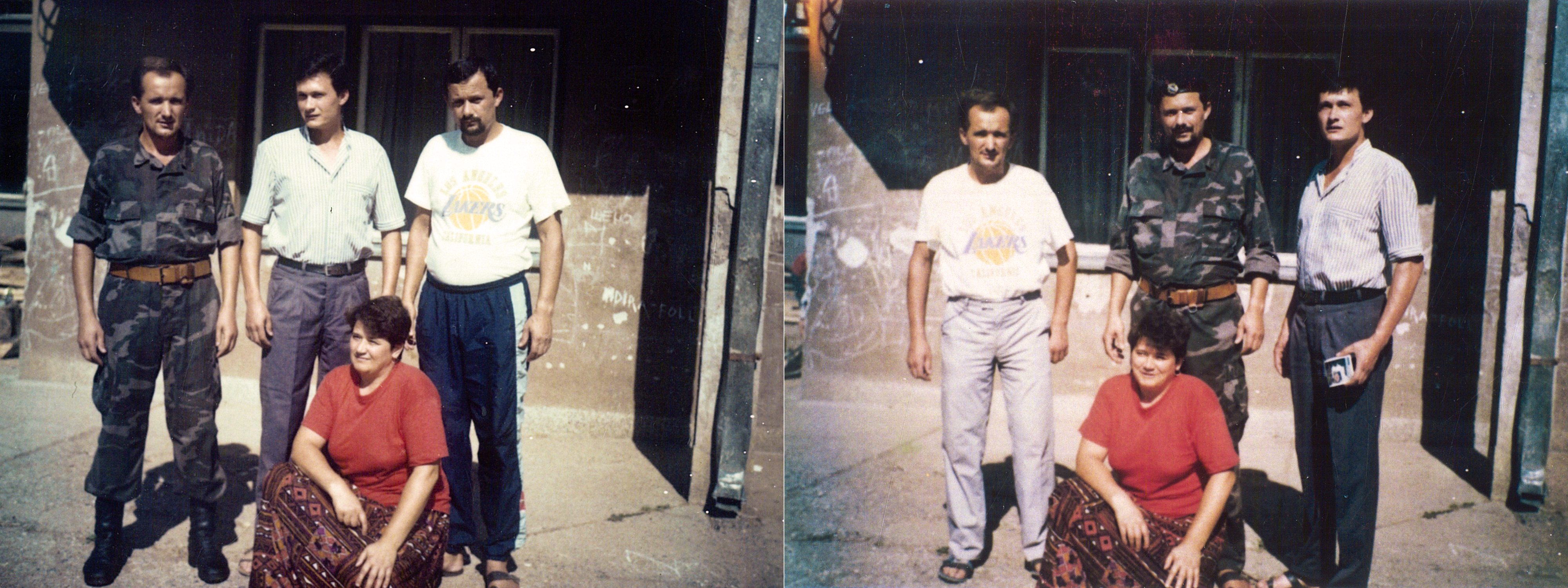
With this work, Hasanović establishes a discourse to explore the complex role political contexts play within the intimate world of an individual who is often unable to escape collective destiny. The photograph titled Situation — an appropriated family photo from 1993 — is inevitably dominated by the military uniform of his father. Without moralising, the artist simultaneously questions personal and collective roles during periods of enormous social and political shifts. In the video, innocent games of accidental protagonists serve as a metaphor for the immense determination of people to live a "normal" life, while questioning the ideological motives that are the cause of such extreme situations.
Individual and collective memory are the main topics of Hasanović's work, made manifest in videos and photography to performance art, drawing and installation. In his videos — marked by simple editing, clear and narrative shots — dialogues and monologues provide primary storytelling tools. Using skillful editing to increase the dramatic effect of the narrative, this young Bosnian artist highlights the notions of selective memory and the credibility of described historical events.
The film presented in this exhibition explores the recording of a story, or rather, its interpretation based on oral testimony. By way of a lyrical introduction, a landscape shot is accompanied by sounds of nature, which are then intensified to a point where they become indistinguishable, and even begin to resemble the threatening sounds of war. After a moment of deafening silence, the narrator begins a tale which, as we learn at the beginning, has been told from one generation to another. The story — or rather a prophecy told at the beginning of World War II — originated at the birthplace of the narrator's ancestors. The tone of his voice and his gestures intensify with the telling of the prophecy, based on the mystical book Kasida. The prophecy speaks about past events and foretells new ones, detailing many tragedies that occurred in the second half of the 20th century in former Yugoslavia.
Our knowledge of how events unfolded supports the credibility of the story, although it is not fully clear whether the past and the future are discussed in relation to given information or solid facts, or whether it is all a work of fiction. Selective memories of individuals keep adding and erasing events in stories transmitted from one generation to another. The artist simulates an entire situation based on a personal testimony. By making a video recording of an oral account, Hasanović is perhaps terminating its natural evolution.
The end of the film leaves the viewer puzzled. There is no catharsis, no rational conclusion. Is it fiction or reality? What comes next? The faces of children — shown in the last minutes of the film, with whom we empathise — show mixed feelings ranging between horror and fear, to disbelief and wonder. The film relays a clear message about the importance of oral tradition in the Balkans, but leaves the question of fiction, or interpretation of reality, unanswered.
In his seminal book L'invention du quotidien (The Practice of Everyday Life), Michel de Certeau opposes the idea of reading as a passive act. Instead of viewing it as an assimilation to an imposed "system of verbal and iconic signs," he considers it as a way to invent "in texts something different from what they intended."i Reading then becomes an act of creation in which the reader can leave his mark, actively remake its objective, and allow "an indefinite plurality of meanings."ii As such, the text acquires significance only by means of the interpretation of its reader, becoming a proper text through its relationship to an exterior element — its interpreter.
When viewing Ibro Hasanović's video Attempt of being..., 2006, it is exactly this momentous exteriority of the text that is deprived from its subject. Watching a young man sitting down in a picturesque grassland with a book, one witnesses the seemingly ideal conditions for recreation and the emergence of meaning. However, the book is Colette's L'Ingénue libertine (The Gentle Libertine), 1909, and the young man — the Bosnian artist Ibro Hasanović — has set himself a quasi-impossible task. Turning himself to an author whose main themes are the whereabouts of female sexuality in a male-dominated world, Hasanović is reading the original French text aloud without knowing how to speak that language. But, instead of witnessing a disempowered male body struggling with the reversal of his gender position, it seems more evocative to turn to the act of reading itself and to discover within it the work's decisive connotation.
According to de Certeau, reading has become "a visual poem," derived from "the murmur of a vocal articulation" and "the movement of a muscular manducation."iii In this sense, the artist's self-imposed constraint of reading a text he cannot comprehend or appropriate — literally stuttering through a series of incomprehensible vowels, producing a failure of speech — might be interpreted as an inverse gesture of resistance. Rather than relating his body to the text's compulsory nature, constructed through historical and culturally enforced readings, Hasanović establishes it as a field of opposition on which texts are no longer able to inflict their authoritative meaning.
In his video the name of the film is... i cannot remember the name of the film, 2008, Hasanović playfully turns his attention to the ephemeral nature of a moving image experience. Instead of commenting on the impenetrable construction of mass media, Hasanović gives a voice to the average spectator, the reader and active interpreter of the filmic text. The characters in the video are asked to connect to a film they have viewed long ago, based solely on their vague recollections of the original viewing experience. Through simple editing, an engaging dynamic is created between the various monologues, which range from highly specific descriptions of a scene, to quasi-politicised interpretations of a narrative and even to occasional abstract ramblings. Hasanović's process stresses the individualised character of remembering, relating it to notions of perception, imagination, and experience. Additionally, the intercut musings and monologues of the various characters become parts of a newly constructed larger narrative of fragmented film history — the filmic text acquiring "significance" through the interpretation of its readers. In this history Nick Nolte, the Daughter of Dracula and Pasolini's Teorema, 1968, coexist on the same abstract level. This gives an additional pleasure to the viewer of Hasanović's piece, as one tries to locate the films within one's own memories — a project that is ultimately doomed to fail. It is, however, in this failure that, together with the on-screen interpreters of the filmic texts, one finds a way to subvert "the only freedom left to the masses": that of "grazing on the ration of simulacra the system distributes to each individual," an idea heavily opposed by Michel de Certeau as well.iv
i. Michel de Certeau, The Practice of Everyday Life, University of California Press, Los Angeles, CA (1984).
ii. Ibid.
iii. Ibid.
iv. Ibid.